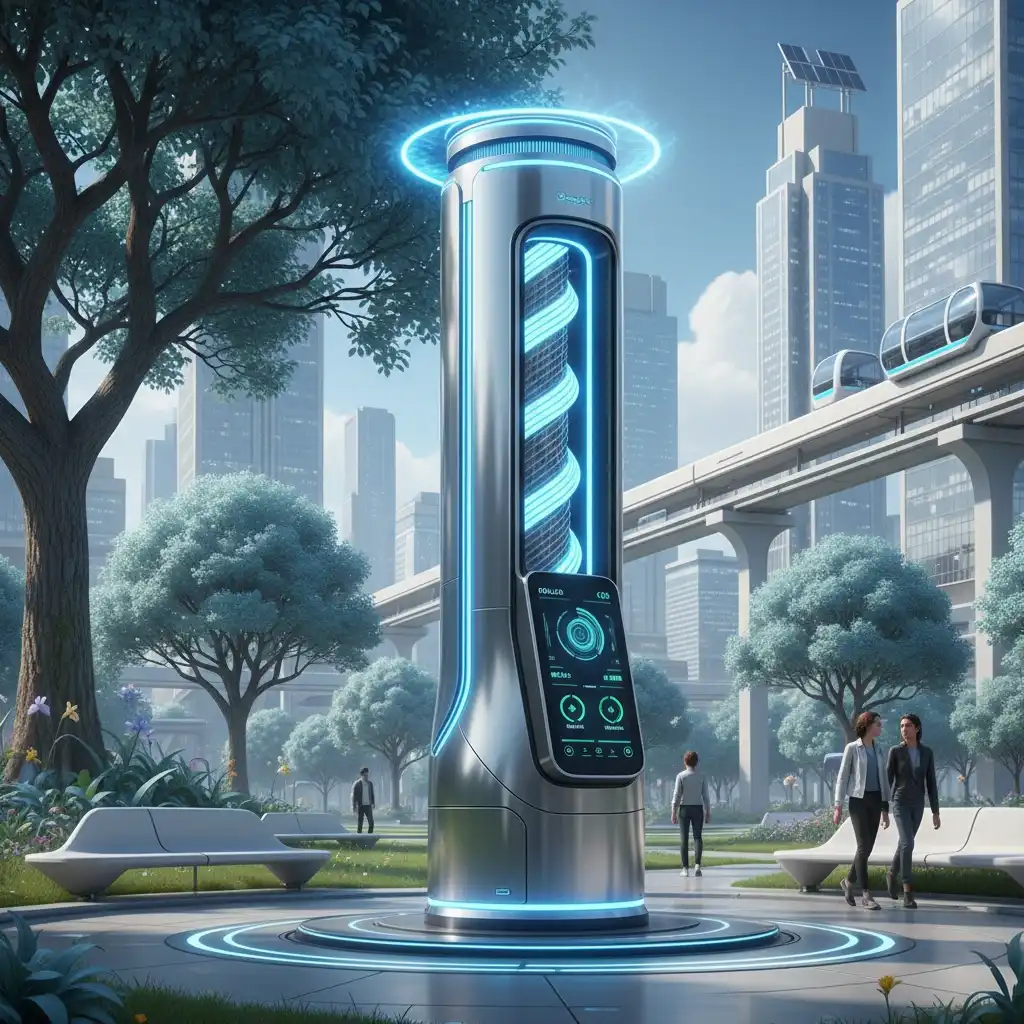
Ever think about the air you breathe inside your home? It’s kind of a big deal, right? Turns out, the air indoors can actually be more polluted than what’s outside. That’s where an air scrubber comes in. These devices can really make a difference in the air quality of your living space. We’re going to break down what an air scrubber is, how it works, and how to pick the best one for your home. Let’s get your home’s air feeling fresh and clean.
Key Takeaways
- An air scrubber uses different filters and technologies to clean the air, getting rid of things like dust, germs, and smells.
- There are two main kinds: whole house systems that connect to your HVAC and portable systems you can move around.
- Picking the right air scrubber means looking at your home’s size, any allergies you have, and how much pollution is around.
- Getting an air scrubber installed correctly, especially the whole house types, is important for it to work well. Keeping up with maintenance, like changing filters, is also key.
- Using an air scrubber can lead to fewer allergy problems, less dust around the house, and just a generally fresher feeling environment, which is good for everyone’s health.
Understanding Air Scrubber Technology
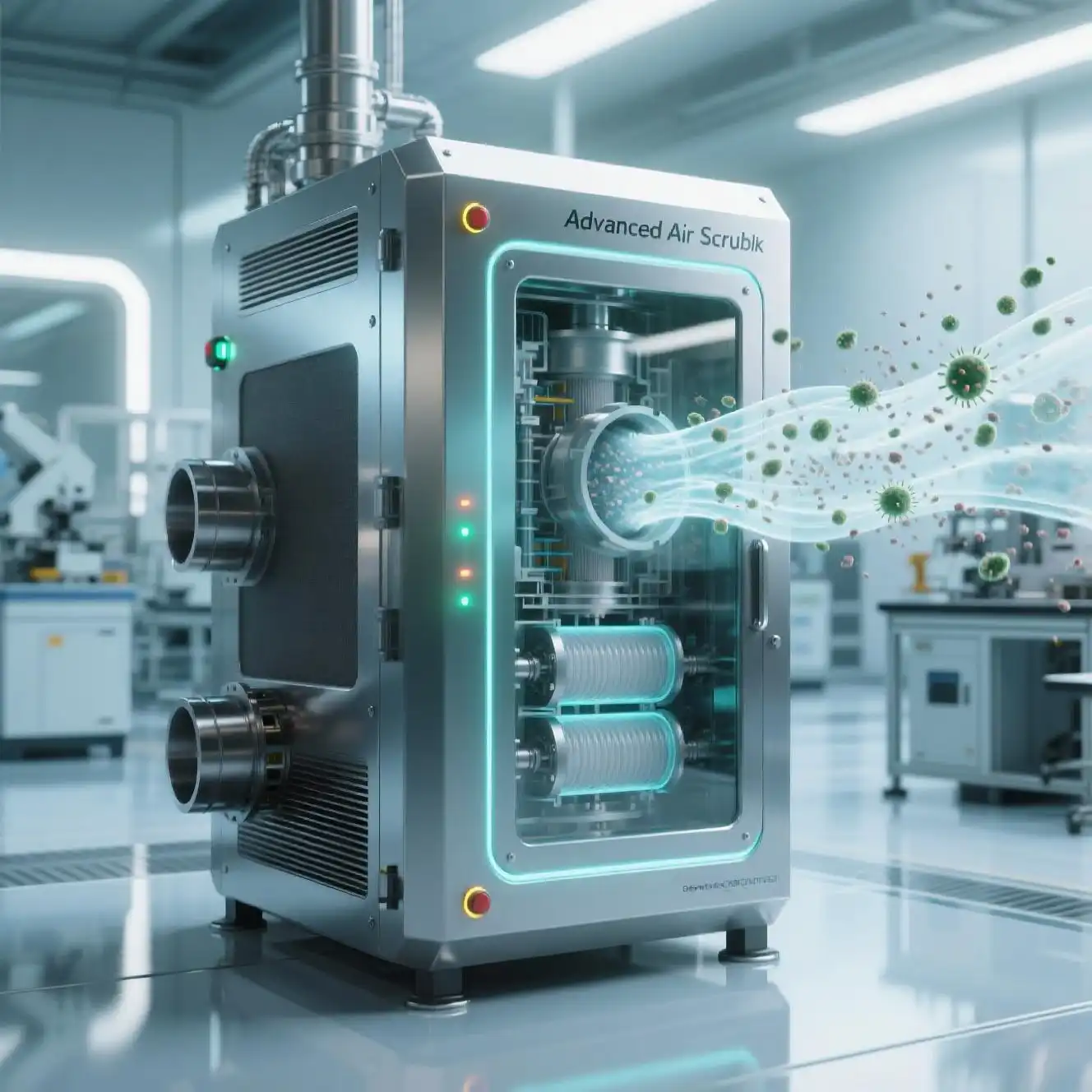
So, you’re thinking about getting an air scrubber for your place? That’s a smart move. These machines aren’t just fancy fans, they actually do some pretty neat stuff to clean up the air you breathe every day.
The Science Behind Air Scrubber Operation
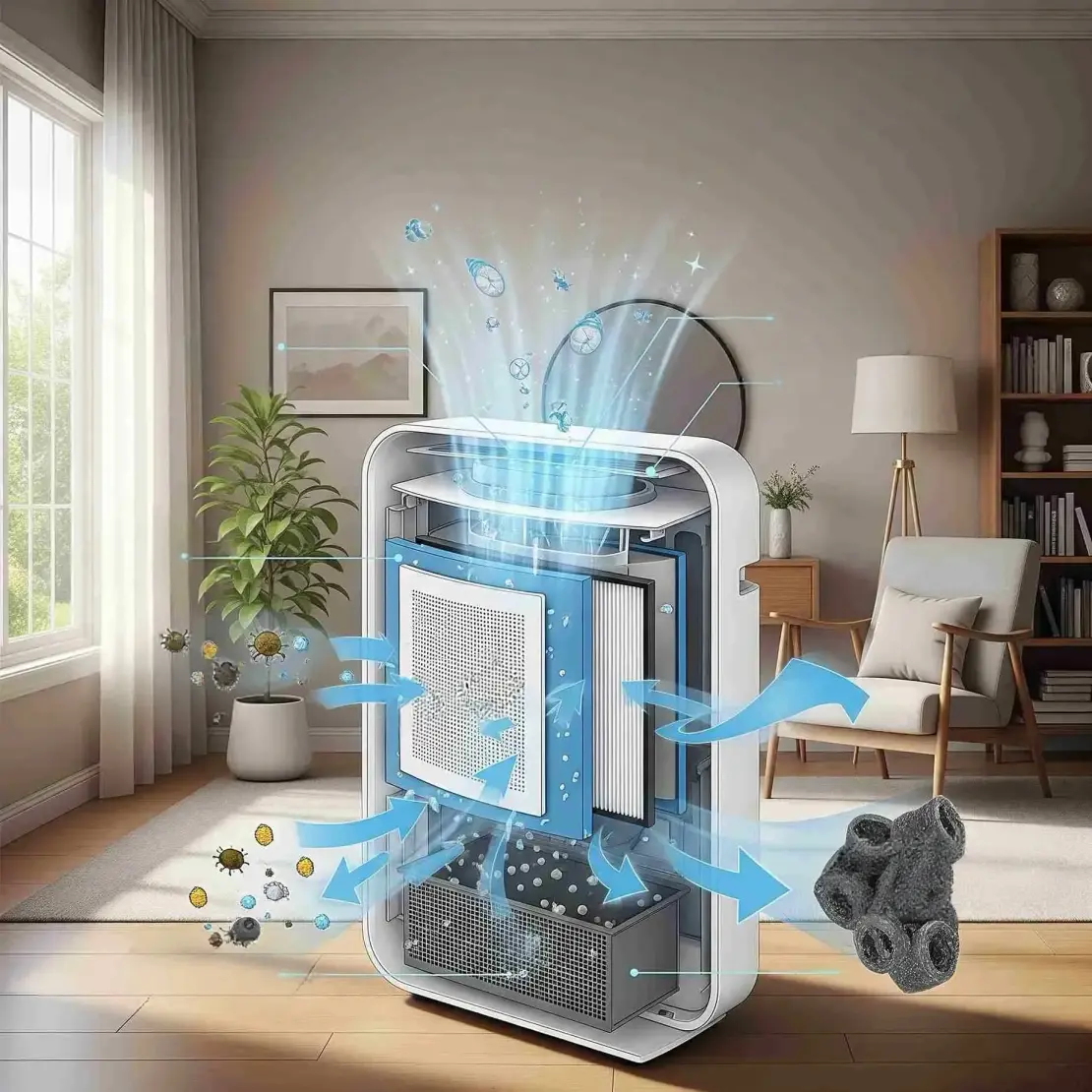
At its core, an air scrubber works by pulling air in and then passing it through a series of cleaning stages. Think of it like a multi step process to get rid of all the unwanted stuff floating around.The simplified makeup is explained below:-
- Pre-Filter: This is the first line of defense. It catches the bigger bits like dust bunnies, pet hair, and pollen. This keeps the other, more sensitive parts of the machine from getting clogged up too quickly.
- HEPA Filter: This is where the real fine particle removal happens. HEPA filters are designed to trap really tiny things, like mold spores, bacteria, and even some viruses. They’re pretty serious about cleaning.
- Activated Carbon Filter: Got lingering smells from cooking, pets, or maybe that time you tried to make a candle? This filter uses activated carbon to soak up odors and certain chemicals, making your air smell much fresher.
- UV-C Light (in some models): Some advanced products also use UV light. This light can help deactivate germs and other microorganisms, adding another layer of protection.
The main goal is to cycle your home’s air through these stages to remove pollutants.
It’s important to remember that not all air scrubbers are built the same. Some might have more stages or use different technologies, but the basic idea of pulling air through filters to clean it remains the same.
Key Benefits of Using an Air Scrubber

Why bother with an air scrubber? Well, the benefits can really add up.
- Cleaner Air : This is the obvious one. You’ll notice less dust settling on surfaces, and the air will just feel fresher.
- Fewer Allergy Symptoms: If you or someone in your house deals with allergies or asthma, cleaner air can mean fewer sneezes, less congestion, and easier breathing, especially during peak pollen seasons. You can find some great options for improving your home’s air quality.
- Odor Control: Say goodbye to stale or unpleasant smells. Air scrubbers can make a big difference in how your home smells.
- Healthier Environment: By reducing airborne irritants and potential pathogens, you’re creating a healthier space for everyone, particularly for kids and older adults.
Air Scrubber vs. Air Purifier Differences
People often use the terms ‘air scrubber’ and ‘air purifier’ interchangeably, and honestly, there’s a lot of overlap. Both aim to clean your indoor air. However, ‘air scrubber’ sometimes implies a more robust, industrial-level cleaning, often used after water damage or during construction to remove dust and debris.
In a home setting, though, the devices we’re talking about function very much like advanced air purifiers. They use similar technologies like HEPA and carbon filters to tackle common household pollutants, allergens, and odors. So, while the name might suggest a difference in scale, for your home, think of them as doing a very similar, important job of cleaning the air.
Choosing the Right Air Scrubber for Your Home
So, you’ve decided an air scrubber is the way to go for cleaner air in your house. That’s a smart move! But with so many options out there, picking the right one can feel a bit overwhelming. Let’s break it down so you can make a good choice.
Assessing Your Home’s Indoor Air Quality
Before you even start looking at models, take a moment to think about what you’re trying to fix. Is it mostly dust? Allergies acting up? Maybe lingering cooking smells or pet odors? Knowing your main concerns helps narrow down what features you’ll need. For instance, if allergies are a big deal, you’ll want something with really good filtration, like HEPA. If it’s odors, you might look for models with activated carbon filters.
- Identify primary air quality issues: Dust, allergens, odors, smoke, etc.
- Consider who uses the space: Are there children, elderly individuals, or people with respiratory conditions?
- Think about potential pollution sources: Pets, cooking habits, nearby construction, or outdoor air quality (like wildfire smoke).
Understanding what’s actually in your air will guide you toward the most effective solution, rather than just buying a generic product.
Comparing Different Air Scrubber Models
Once you know your needs, it’s time to compare. You’ll see terms like CADR (Clean Air Delivery Rate) and ACH (Air Changes Per Hour). Think of CADR as how fast the machine can clean a certain volume of air – higher is generally better for quicker results. ACH tells you how many times the product can clean all the air in a room within an hour. For most homes, aiming for at least 4 or 5 ACH is a good target.
Here are some key specs to look at:
| 🔧 Feature | 📘 What It Means |
|---|---|
| CADR | How quickly it cleans a specific volume of air. |
| ACH | How many times it cycles the air in a room per hour. |
| Filter Type | HEPA, activated carbon, pre-filters, etc. |
| Room Size | Recommended square footage for effective use. |
| Noise Level | Measured in decibels (dB), important for living areas. |
Also, check for things like ENERGY STAR certification, which means it’s energy efficient. Some products have smart features or multiple fan speeds, which can be handy for adjusting performance based on your needs or saving energy.
Factors to Consider: Room Size and Filtration
This is pretty straightforward: make sure the air scrubber you pick is rated for the size of the room you plan to use it in. A scrubber that’s too small just won’t do the job effectively. It’s often better to get one rated for a slightly larger space than you need, just to be safe.
And don’t skimp on filtration. A multi-stage filtration system, including a HEPA filter, is usually the best bet for capturing a wide range of particles, from fine dust to allergens. If odors are a problem, look for a product with a substantial activated carbon filter. Some products also have UV-C light or ionizers, but do a little research on those, as they can sometimes produce ozone, which isn’t great for breathing.
Types of Air Scrubbers Available
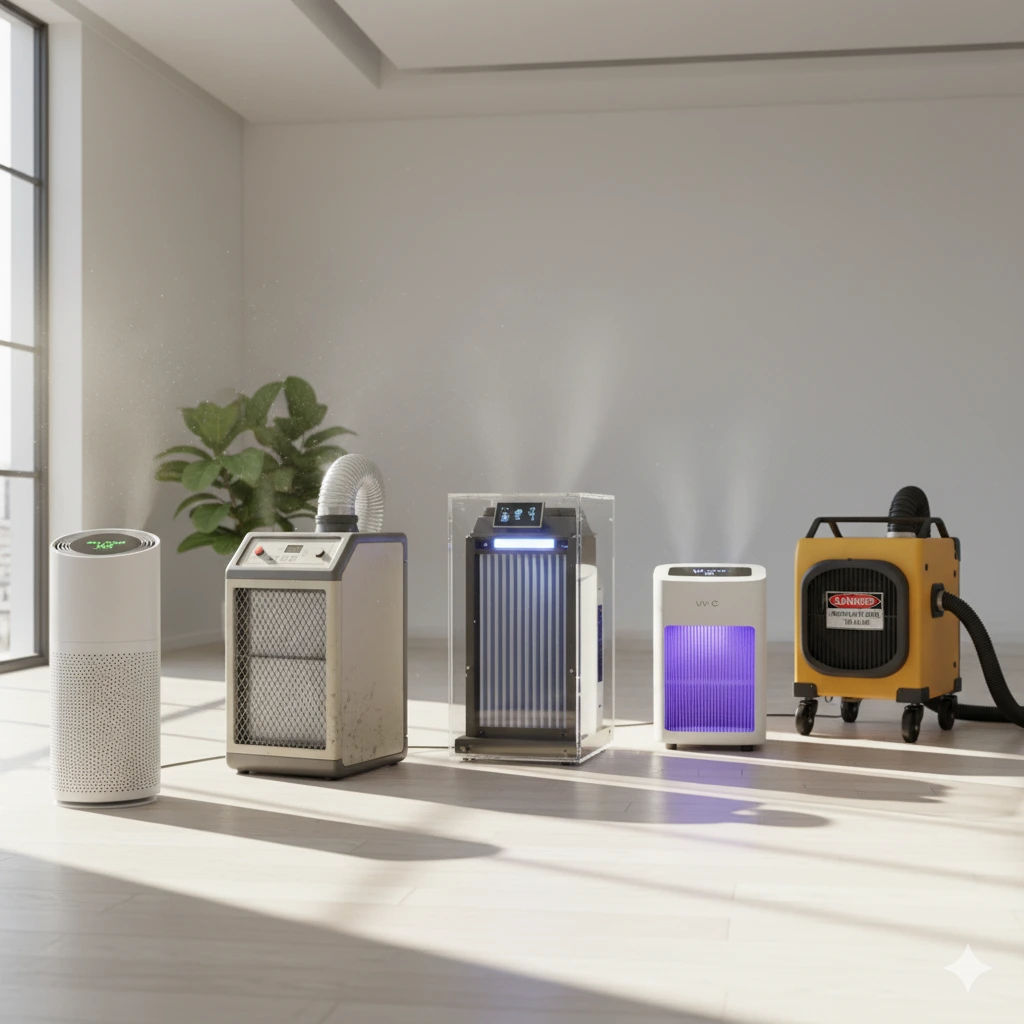
When you’re looking to clean up your home’s air, you’ll find there are two main ways air scrubbers are set up: either as part of your whole house system or as a standalone, portable air scrubber. Each has its own perks and is suited for different situations.
These systems are integrated directly into your home’s existing HVAC (Heating, Ventilation, and Air Conditioning) setup. Think of it as adding a super-powered filter right into the heart of your home’s air circulation. They work continuously to clean the air as it moves through your ducts, meaning every room benefits. This type of system offers a consistent, background level of air purification for your entire home.
- Installation: Because they connect to your ductwork, whole-house systems usually need professional installation. An HVAC technician will make sure it’s hooked up correctly so your heating and cooling system runs smoothly.
- Coverage: They treat the air for your whole house, which is great if you have widespread air quality issues or want consistent protection everywhere.
- Maintenance: While they require less frequent filter changes than portables, you’ll still need to replace filters and potentially UV bulbs periodically. It’s important to keep up with this to keep the system working well.
Portable air scrubbers are the more flexible option. You can place them in any room where you need extra air cleaning power, like a bedroom, living room, or office. They’re easy to set up , just plug them in. These are fantastic for targeting specific areas or for renters who can’t modify their HVAC system.
- Placement: You can move them around as needed. If the air quality is worse in one room, you just move the scrubber there.
- Features: Many portable products come with multiple fan speeds, timers, and even air quality sensors that adjust the fan speed automatically. Some also include HEPA filters and activated carbon filters to tackle a wide range of pollutants and odors.
- Effectiveness: While great for a single room, they don’t clean the air throughout your entire house like a whole-house system. For maximum benefit, you might require more than one product if you want to cover multiple areas.
Choosing between the two really depends on your specific requirements, budget, and whether you own or rent your home. If you’re looking for a broad overview of air purification options, this guide can help you choose the right air purifier. It covers different types, features, and other important info.
When deciding, consider the size of the spaces you want to clean and the types of pollutants you’re most concerned about. A whole-house system offers comprehensive coverage, while portables give you targeted relief where you require it most.
Installation and Maintenance Essentials

So, you’ve picked out the perfect air scrubber for your place. Awesome! But before you can start breathing easier, you’ve got to get it set up and keep it running right. It’s not super complicated, but doing it properly makes a big difference in how well it works.
Professional Installation for HVAC Integration
If your air scrubber is designed to hook up with your home’s heating and cooling system, you might want to call in a pro. While some DIYers might tackle this, messing with your HVAC can get tricky.
A professional can make sure it’s connected correctly, sealed up tight to avoid air leaks, and won’t mess with your system’s airflow. Getting this part right is key for both the air scrubber’s performance and your HVAC’s health. They’ll know exactly where to place it in the return duct, usually as close to the main product as possible, to catch the most air.
Routine Maintenance for Optimal Performance
Once it’s in, you can’t just forget about it. Air scrubbers necessitate a little TLC to keep doing their job. The biggest thing is the filters. Depending on your model and how much you run it, you’ll require to swap them out or maintain them regularly. Skipping this is like trying to run a marathon without drinking water – it just won’t work.
Here’s a quick rundown of what to expect:
- Filter Checks: Look at your filters every month or so. If they look visibly dirty or clogged, it’s time for a change or a clean, depending on the filter type.
- Cleaning the Unit: Give the outside of the unit a wipe-down now and then. Dust can build up on the casing, which isn’t great for airflow.
- Pre-filter Maintenance: Many units have a pre-filter that catches larger particles. This is usually the easiest to clean and should be done more frequently than the main filters.
Keeping up with maintenance isn’t just about pure air; it also stops the unit from working too hard, which can save you energy and prevent breakdowns.
Understanding Air Scrubber Lifespan and Upkeep
Like any appliance, air scrubbers have a lifespan. The filters are the most common replacement part, and their life depends on the air quality in your home and how often the unit runs. Some units might have UV bulbs or other components that will eventually necessitate replacing too.
Always check the manufacturer’s manual for specific recommendations on when to replace parts. Keeping records of when you last changed filters can be a lifesaver for remembering when the next change is due. It’s a bit like changing the oil in your car – do it regularly, and the whole system runs better for longer.
Maximizing Your Air Scrubber’s Effectiveness
So, you’ve got your air scrubber all set up. That’s great! But just having it running isn’t always enough to get the most out of it. Think of it like a car – it will be required to drive it properly and keep it tuned up to get the best performance. Let’s talk about how to really make your air scrubber perform its best for your home.
Proper Operation and Settings
Getting the settings right is key. Most units have different fan speeds, and using the right one makes a difference. If you’ve got a lot of dirt or it’s allergy season, crank it up a bit. If the air quality monitor on your unit shows things are pretty satisfactory, you can probably dial it back to save energy. Don’t just set it and forget it.
Here’s a quick rundown on operation:
Power Up: Make sure it’s plugged in and switched on. Some start automatically, others require a button press.
- Adjust Fan Speed: Match the speed to your current air quality requirements. Higher for more pollutants, lower for maintenance.
- Monitor Readings: If your scrubber has an air quality indicator, pay attention to it. It tells you when to adjust settings.
- Placement Matters: For portable units, put them where they can circulate air freely, not tucked away in a corner.
Addressing Common Air Scrubber Misconceptions
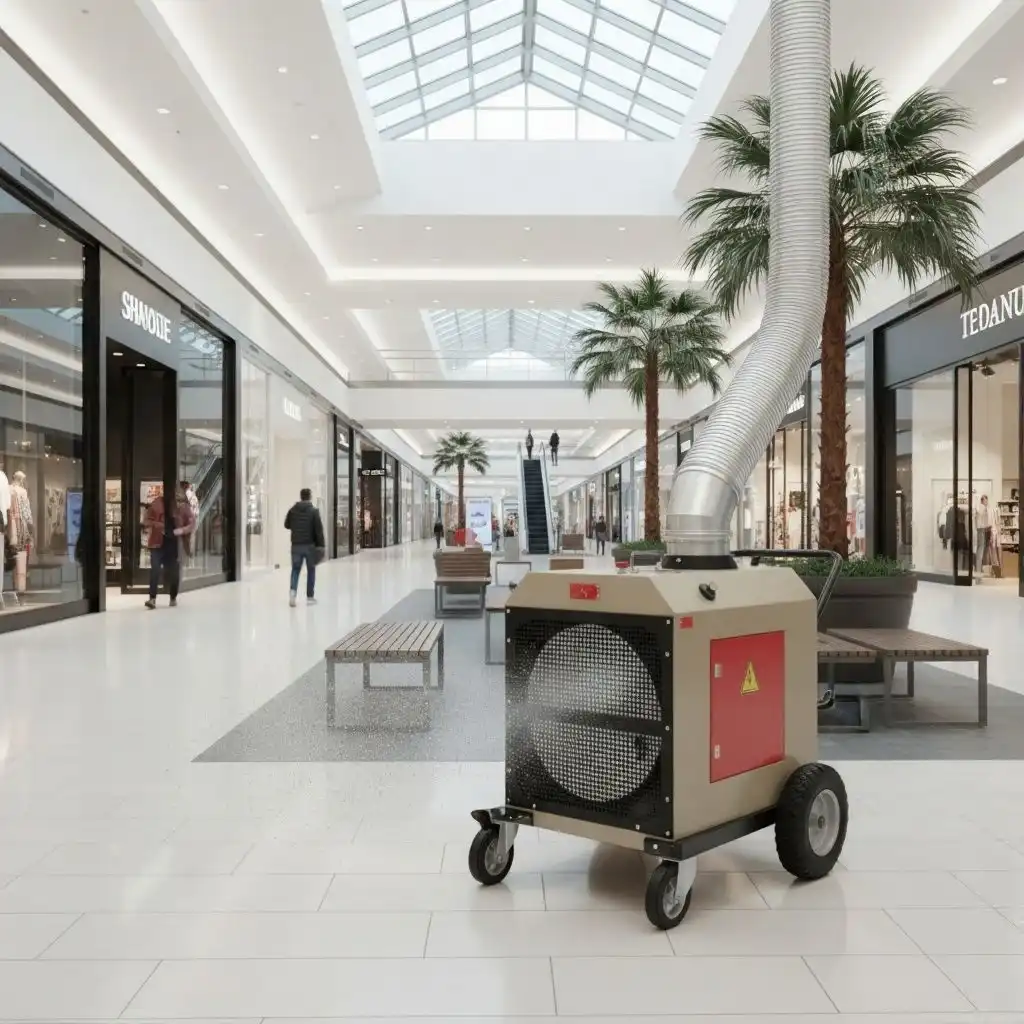
People sometimes think air scrubbers are just fancy air purifiers, but they can do more. One common idea is that they’re only for really bad air problems, like smoke. While they’re great for that, they also function on everyday stuff like pet dander and cooking smells.
Another thought is that once it’s running, it’s doing its absolute maximum. That’s not always true if the settings aren’t optimized for the room or the pollution level.
It’s important to remember that air scrubbers are designed to tackle a wide range of airborne contaminants, not just the most obvious ones. Regular use, even when air quality seems fine, helps maintain a consistently healthier environment.
Real Life Applications and Success Stories
| 💨 Health Benefit | 🌿 Why It Matters |
|---|---|
| Reduces Allergens | Captures pollen, pet dander, and dust mites to ease allergy symptoms. |
| Removes Airborne Pathogens | Filters bacteria, viruses, and mold spores to support immune health. |
| Improves Respiratory Function | Reduces exposure to fine particulates and VOCs that irritate lungs. |
| Neutralizes Odors | Eliminates smoke, cooking smells, and chemical fumes for cleaner air. |
| Supports Better Sleep | Cleaner air and reduced irritants can lead to deeper, more restful sleep. |
We hear from folks who’ve seen real changes. Take someone with bad seasonal allergies, for instance. They used to dread spring, but after getting an air scrubber, they found they didn’t need their usual allergy meds.
Or consider a home where cooking smells just seemed to linger forever; an air scrubber cleared that right up, making the whole house smell fresher. Some people even report sleeping better because the air is just cleaner and easier to breathe.
Benefit Category Observed Improvement
Allergy Symptoms Reduced sneezing, itchy eyes, and congestion
Odor Reduction Elimination of cooking, pet, and general stale odors
Sleep Quality Deeper, more restful sleep due to sterilised air
General Comfort Less irritation from airborne particles, fresher feel
Health and Comfort Improvements
Breathing easier is a pretty big deal, right? When you get an air scrubber working in your home, it’s not just about fresher air; it’s about feeling better overall. Think about waking up without that stuffy nose or sneezing fit. That’s the power of removing common irritants from your air.
Reducing Allergens and Respiratory Issues
Air scrubbers are fantastic at trapping things like dust, pollen, pet dander, and even tiny mold spores. These are the usual suspects that can really bother people with allergies or asthma. By pulling these particles out of the air, you give your lungs a break.
This can mean fewer sniffles, less coughing, and generally a more comfortable time, especially during peak allergy seasons. It’s like giving your home a deep clean, but for the air itself. For those sensitive to airborne triggers, this makes a noticeable difference in daily life. You can find more information on how these devices work to remove allergens on sites like Abestorm.
Eliminating Odors for Fresher Living Spaces
Ever walk into a room and just notice a smell? Whether it’s from cooking, pets, or just general staleness, unwanted odors can really make a space feel less inviting. Air scrubbers, especially those with activated carbon filters, are designed to grab onto odor molecules.
They don’t just mask smells; they actually remove them. So, that lingering cooking smell or the scent from your furry friend can be significantly reduced, leaving your home smelling genuinely fresh and clean. It’s a simple change that impacts how your home feels.
Enhancing Overall Well-being with Cleaner Air
Beyond specific allergy relief or odor control, just breathing unpolluted air contributes to your general well-being. When your body isn’t constantly fighting off airborne irritants, you might find you have more energy.
Some people even report better sleep and improved focus. It’s a bit like eating healthier – you might not see immediate dramatic changes, but over time, your body just functions better.
Here’s a quick look at what you might notice:
- Less sneezing and coughing
- Reduced eye irritation
- A generally fresher-smelling home
- Potentially better sleep quality
Making sure the air you breathe indoors is clean is a straightforward way to support your health. It’s about creating a more comfortable and pleasant environment for everyone living in your home, day in and day out.
Wrapping Up Your Air Scrubber Journey
So, we’ve gone over what air scrubbers do and how they can really make a difference in your home’s air. Picking the right one might seem like a lot, but thinking about your home’s size and any specific air issues you have makes it way simpler. Whether you go for a whole-house system or a portable unit, you’re making a good move for a healthier living space. Just remember to keep up with any maintenance, like changing filters, so it keeps working its best. Pollutant free air really does make a difference, and an air scrubber is a solid way to get there.