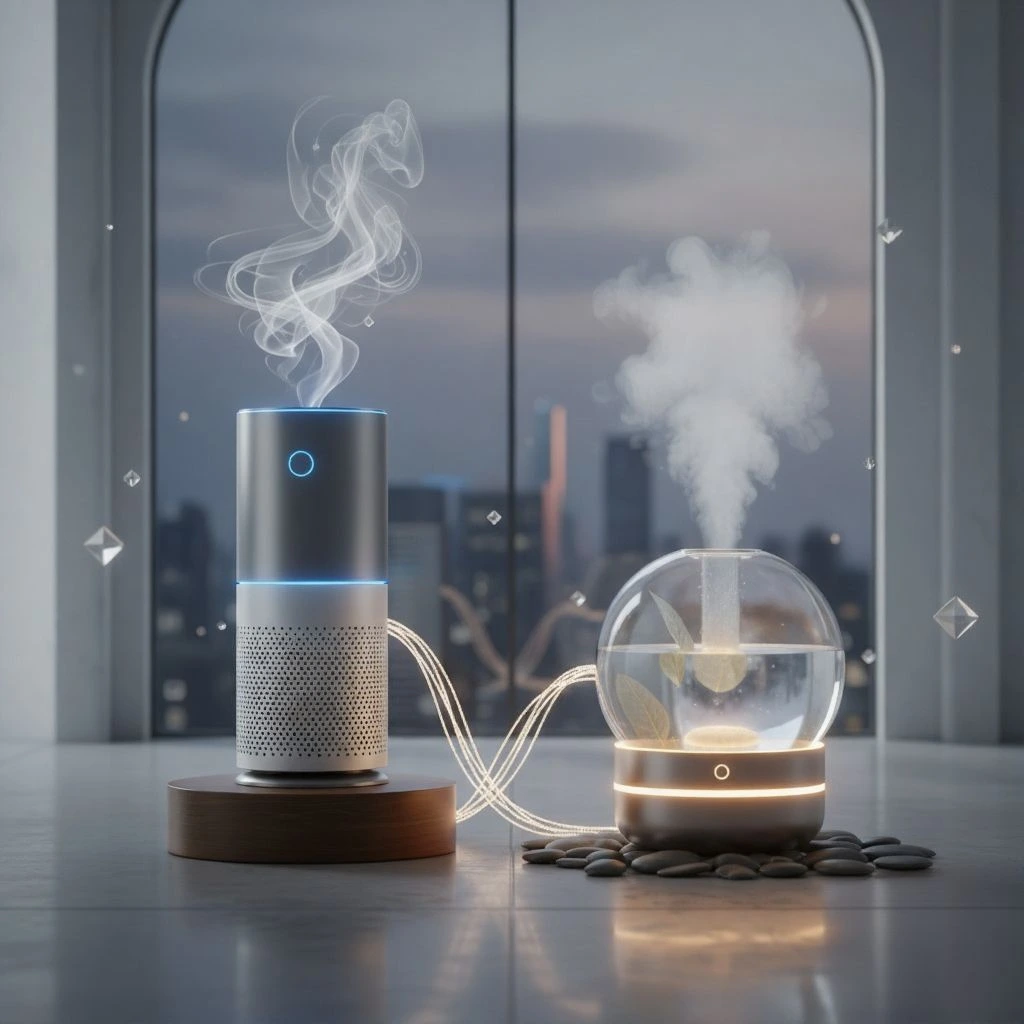
Choosing between an air cleaner or humidifier can feel like a real puzzle when both promise to make your home air better. They do totally different things, but it’s easy to get them mixed up. Think of it this way: an air cleaner is like a vacuum for your air, sucking up dust, pollen, and other small bits.
A humidifier, on the other hand, is like a mister, adding moisture back into the air when it gets too dry. Figuring out which one you actually need comes down to what problems you’re trying to solve in your own house. We’ll go over what each one does, how they can affect your health, and what to look for so you don’t end up with the wrong gadget.
Key Takeaways
- Air cleaners remove tiny particles like dust, pollen, and smoke from your air, which can help with allergies and breathing issues.
- Humidifiers add moisture to the air, which is good for dry skin, chapped lips, and can help with coughs and stuffy noses caused by dryness.
- The best choice depends on your specific problem, if your air is dirty with particles, get an air cleaner, if it’s dry and irritating, a humidifier is likely what you need.
- Be careful with humidifiers, if not cleaned properly, they can spread mold and bacteria, making air quality worse.
- Consider your climate and household needs, dry areas might need humidifiers, while places with pollution or lots of pets might benefit more from air cleaners.
Understanding the Core Functions- Air Cleaner vs. Humidifier
Choosing between an air purifier and a humidifier can feel a bit confusing at first. They both aim to make your indoor air better, but they do it in totally different ways. It’s like trying to decide if you need a broom or a mop, both clean, but for different messes.
What an Air Cleaner Actually Does
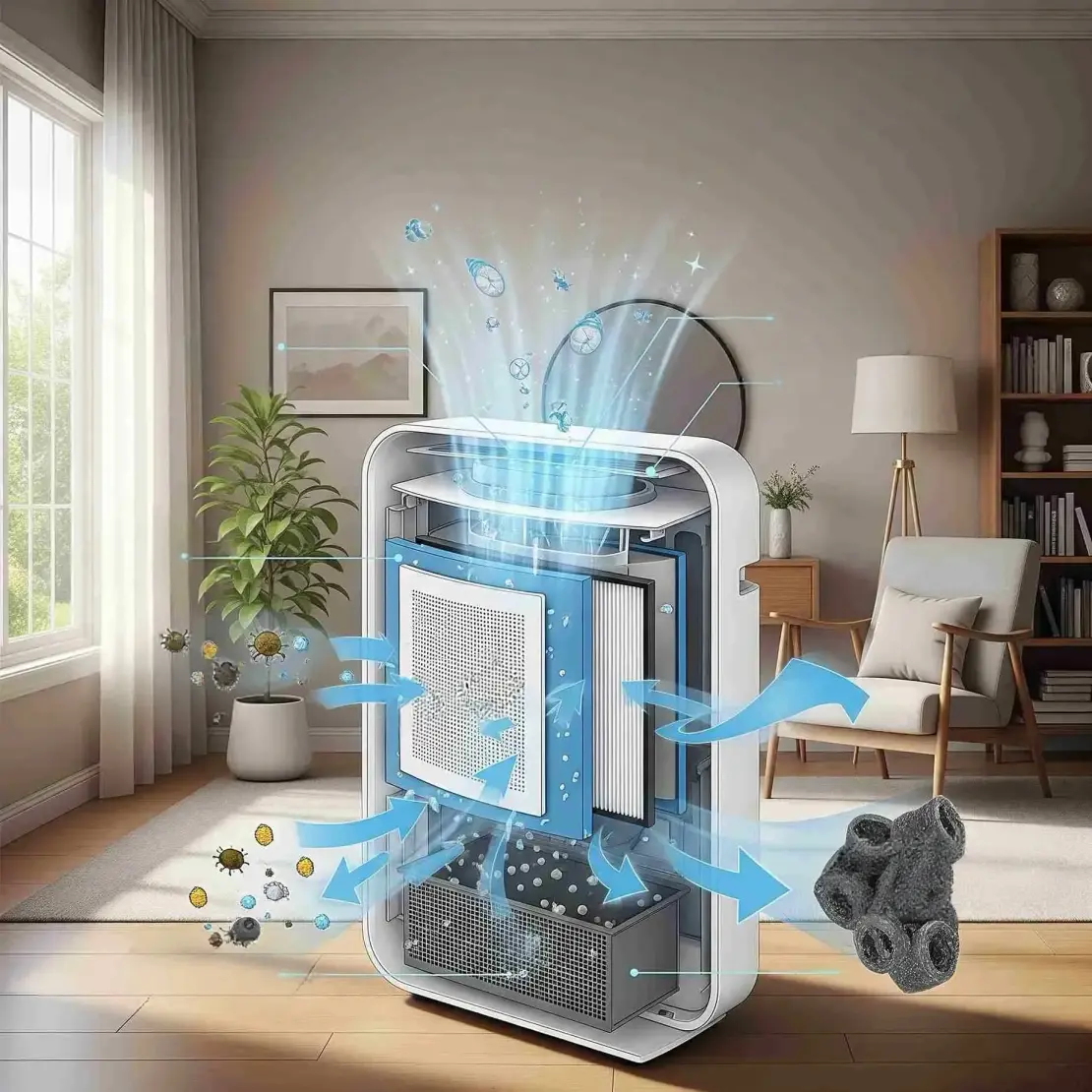
An air cleaner, or air purifier, is all about removing tiny particles from the air you breathe. Think dust, pollen, pet dander, smoke, and even some microscopic stuff you can’t see. It works by pulling air into the unit and passing it through a series of filters.
The most common and effective type is a HEPA filter, which is designed to trap a very high percentage of small particles. Other filters, like activated carbon, help with odors and gases. The main goal is to get the gunk out of your air.
What a Humidifier Actually Does
A humidifier, on the other hand, is focused on adding moisture to the air. If your home feels dry, especially during winter when heating systems can really suck the moisture out, a humidifier can help.
It releases water vapor into the room, increasing the relative humidity. This can make your skin feel less dry, help with scratchy throats, and even reduce static electricity. It’s all about making the air more comfortable by adding water back into it.
Key Differences in Purpose
So, the big difference is what they target. Air purifiers clean the air by removing things in the air. Humidifiers change the air by adding moisture to it. You wouldn’t use a humidifier to get rid of pet dander, and you wouldn’t use an air purifier to stop your nose from feeling dry.
They solve different problems. If you’re dealing with allergies or asthma triggered by airborne irritants, an air purifier is likely your go to. If dry air is making you uncomfortable, a humidifier is what you need. Sometimes, people even use both, but it’s important to know which one addresses your primary concern first.
Understanding these basic functions is the first step to making the right choice for your home’s air quality. For more on how these devices work, you can check out how humidifiers help.
Device Type Primary Function
– Air Cleaner Removes airborne particles and pollutants
– Humidifier Adds moisture to the air
Health Impact Breakdown: Addressing Your Specific Concerns
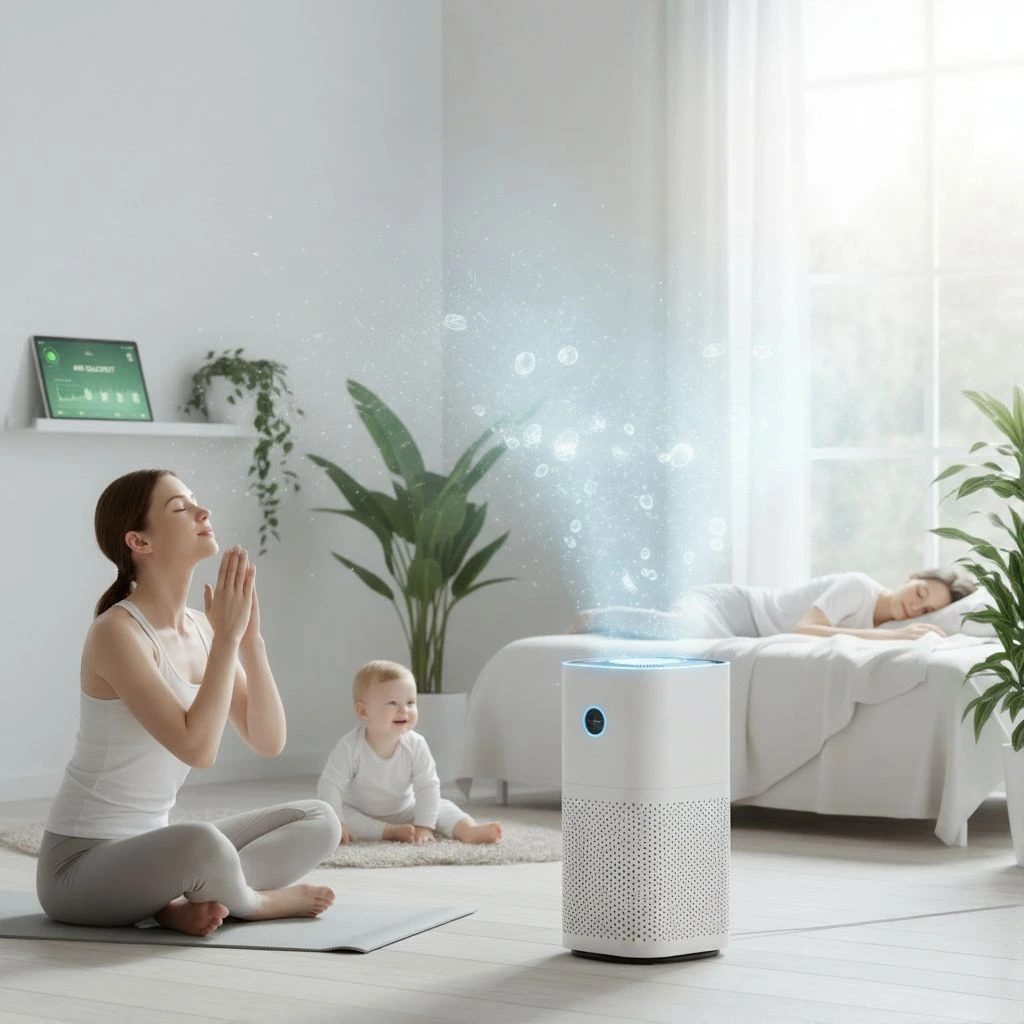
When you’re thinking about improving your home’s air, it’s easy to get confused between an air cleaner and a humidifier. They do totally different jobs, and knowing which one you actually need can make a big difference for how you feel. It’s not just about comfort; it’s about your health.
How Air Cleaners Benefit Allergy Sufferers
If you’re one of the millions who sneeze their way through spring or find their eyes watering around pets, an air cleaner is probably your best bet. These machines are designed to pull tiny particles right out of the air. Think pollen, dust mites, pet dander, and even mold spores.
These are the usual suspects that set off allergic reactions and asthma symptoms. A good air cleaner, especially one with a HEPA filter, can trap about 99.97% of particles that are 0.3 microns in size or larger.
That’s really small stuff! For people with asthma, this can mean fewer nighttime attacks and less morning congestion. It’s like giving your lungs a break from constant irritation. They also help with things like smoke from cooking or even outdoor pollution that drifts inside.
How Humidifiers Help with Dryness Symptoms
On the flip side, if your skin feels like sandpaper, your throat is always scratchy, or you’re getting nosebleeds, especially during winter, you’re likely dealing with dry air. That’s where a humidifier comes in.
It adds moisture back into your environment. When the air is too dry, your nasal passages can get irritated and even crack, making it easier for germs to get in. Dry air can also make your throat feel raw and can even make snoring worse. A humidifier helps keep your mucous membranes moist, which is your body’s natural defense
. It can also help reduce that annoying static electricity that zaps you when you touch things. For babies, maintaining the right humidity level is also important for their developing respiratory systems.
Potential Risks of Improper Humidifier Use
Now, humidifiers aren’t always a magic bullet. If you don’t take care of them, they can actually make things worse. The biggest issue is mold and bacteria growth. If you don’t clean the tank regularly, or if you let water sit in it for too long, it can become a breeding ground for all sorts of unpleasant things.
Then, when the humidifier runs, it can spray these contaminants into your air, which is terrible for allergies and asthma. Also, if you add too much moisture to the air – we’re talking above 50% humidity, you can encourage dust mites and mold to grow on your walls and furniture. It’s a balancing act.
Using distilled or demineralized water can help prevent mineral dust from settling on your furniture, but regular cleaning is non negotiable. If you notice your allergy symptoms getting worse after getting a humidifier, it’s a sign something’s not right, and you should stop using it.
Here’s a quick look at what each device targets:
- Air Cleaner : Targets airborne particles like dust, pollen, pet dander, mold spores, smoke, and VOCs.
- Humidifier : Targets low humidity levels, which cause dry skin, irritated sinuses, scratchy throats, and static electricity.
It’s really important to figure out what your main problem is before you buy anything. Are you sneezing because of dust, or is your nose just dry and stuffy? The answer will point you toward the right device. Trying to fix dry air with an air cleaner, or dust allergies with a humidifier, just won’t work and might even cause new issues.
Climate and Household Factors: Guiding Your Choice
So, you’re trying to figure out if an air cleaner or a humidifier is the right move for your place. It’s not a one size fits all situation, and what works for your neighbor might not be the best for you. A lot of it really comes down to where you live and what’s going on inside your home.
Climate-Based Needs for Air Quality Devices
Where you live plays a pretty big role. If you’re in a place that’s naturally dry, like Denver or Phoenix, you’re probably going to feel the effects of low humidity more often. Winter heating systems can really suck the moisture out of the air, leaving you with dry skin, static shocks, and maybe even a scratchy throat.
In these spots, a humidifier is usually the first thing to consider. On the flip side, if you’re somewhere humid, think Florida or the Gulf Coast, you’re more likely to deal with issues like mold and dust mites.
High humidity levels, especially above 60%, are like a welcome mat for these little guys. That’s where an air cleaner, particularly one with a good HEPA filter, can really help by trapping those allergens without adding more moisture to the air.
Here’s a quick look at how climate might steer your decision:
| Climate type | Typical humidity level | Primary need | Secondary consideration |
|---|---|---|---|
| Arid/Desert | Below 30% | Humidifier | Air cleaner for dust |
| Continental (Winter) | 20–40% | Humidifier | Seasonal air cleaner |
| Humid Subtropical | Above 60% | Air cleaner | Dehumidifier option |
| Temperate Coastal | 50–70% | Air cleaner | Monitor humidity |
And don’t forget about cities. If you live in a busy urban area with lots of traffic, an air cleaner is probably a good idea year round, no matter the humidity. All those exhaust fumes and other pollutants can really make a difference in your indoor air quality.
Household Specific Requirements
Now, let’s talk about what’s happening inside your four walls. Do you have pets? If you’ve got furry friends running around, dander is probably a concern. Air cleaners are fantastic for capturing those tiny particles that pets shed.
They can also help with pet odors, which is a nice bonus. If you or someone in your household suffers from allergies, especially during pollen season, an air cleaner is likely your best bet. They’re designed to grab pollen, dust, and other airborne irritants before they bother you.
When you’re thinking about your home, consider who lives there. Infants, for example, can benefit from a more controlled humidity level, typically between 40-60%, to help with their developing respiratory systems.
On the other hand, older adults might have more sensitive immune systems, making cleaner air a higher priority. If you have someone with asthma, the needs can change depending on the season, more humidity in dry winter months, and cleaner air when outdoor allergens are high.
If you do a lot of cooking, especially frying or using a gas stove, you’ll generate smoke and grease particles. An air cleaner can handle that much better than a humidifier. The same goes for things like wood-burning fireplaces; they put a lot of stuff into the air that you’ll want to filter out.
Considering Age Related Air Quality Needs
When we think about who’s breathing the air in our homes, age definitely comes into play. For very young children, especially babies under a year old, maintaining a specific humidity range, usually between 40% and 60%, is important for their delicate respiratory systems.
It helps keep their nasal passages moist and can make breathing a bit easier. On the other end of the spectrum, older adults often have more compromised immune systems. For them, reducing airborne irritants and allergens with an air cleaner can be more beneficial for their overall health.
And for kids with conditions like asthma, the needs can shift. In dry winter months, a humidifier might be helpful to keep airways from getting irritated, while during allergy seasons, an air cleaner becomes more important to filter out pollen and other triggers.
Performance Metrics and Selection Criteria

When you’re looking to buy either an air cleaner or a humidifier, it’s easy to get lost in all the technical specs. But understanding a few key performance metrics can really help you pick the right one for your home. It’s not just about how big the box is; it’s about what it can actually do for your air.
Air Cleaner Performance – CADR and Coverage
For air cleaners, the big number to watch is the Clean Air Delivery Rate, or CADR. Think of it as how quickly the machine can clean the air in a room. It’s measured in cubic feet per minute (CFM) for different things like dust, pollen, and smoke.
A higher CADR number means it cleans faster. You’ll also see room coverage ratings, usually in square feet. But here’s a tip: manufacturers often give a maximum coverage. For really effective cleaning, especially if you have allergies or pets, you want a unit that’s rated for a larger room than you actually have.
Aim for a unit that can change the air in your room at least four to five times every hour. So, if you have a 300 square foot room, you might want an air cleaner rated for 1,200 to 1,500 square feet.
Here’s a quick rundown of what to look for :
• CADR Rating : Higher is better for faster cleaning.
• Room Coverage : Choose a unit rated for a larger space than you have for optimal performance.
• Filter Type : HEPA filters are standard for capturing tiny particles (99.97% of 0.3 microns), while activated carbon filters help with odors and gases.
Humidifier Performance : Moisture Output and Coverage
With humidifiers, the main things are how much moisture it can put out and what size room it’s meant for. Like air cleaners, they have coverage areas, usually in square feet. It’s important to match the humidifier to your room size.
Too small, and it won’t make a difference. Too big, and you could end up with too much moisture, which can lead to mold and mildew problems. You’ll also want to consider the type of mist it produces, cool mist or warm mist. Cool mist is generally safer around kids and pets, while warm mist boils the water, which can kill some germs but also poses a burn risk.
Key humidifier factors include:
- Room Size Compatibility : Match the humidifier’s capacity to your room’s square footage.
- Moisture Output : Look for the unit’s ability to add humidity effectively without overdoing it.
- Mist Type : Cool mist is common and safer, while warm mist offers some germ killing benefits.
Key Features to Look For in Each Device

Beyond the basic performance numbers, there are other features that make a big difference in daily use. For air cleaners, look for noise levels, especially if it’s going in a bedroom. Many good units operate below 50 decibels on their highest setting. Energy efficiency is also a plus; look for Energy Star certification to save on electricity bills.
For humidifiers, automatic shut off is a must have. This stops the unit from running dry when the water tank is empty, which is safer and prevents damage. A built in hygrometer is also super handy, as it measures the humidity level in your room and can automatically adjust the humidifier’s output to keep it in the ideal range (usually between 30-50%).
When selecting a device, think about how much effort you’re willing to put into maintenance. Some humidifiers need daily cleaning and distilled water to prevent mineral buildup, while others have filters that need regular replacement. Air purifiers also require filter changes, so factor that into your decision.
Here are some features worth considering:
- Air Cleaner : Low noise levels, Energy Star certification, filter replacement indicators.
- Humidifier : Automatic shut off, built in hygrometer, ease of cleaning the water tank, filter availability (for some types).
- Both : Timer functions, multiple fan speeds, child lock features.
Budgeting and Long Term Costs
When you’re looking at air cleaners and humidifiers, it’s easy to get caught up in the initial price tag. But really, you’ve got to think about what you’ll be spending over time, too. It’s not just about the upfront cost; it’s about the filters, the electricity, and even things like distilled water.
Price Ranges for Air Cleaners and Humidifiers
Let’s break down what you can expect to pay initially. Basic air purifiers, the kind that handle smaller rooms and have simpler features, might run you anywhere from $50 to $150. Step up to something that covers a medium sized room and includes things like activated carbon filters for odors, and you’re probably looking at $150 to $400.
If you want something for a larger space, or a unit with all the bells and whistles like smart sensors and multi stage filtration, be prepared to spend $400 to $800 or even more.
Humidifiers tend to be a bit less expensive upfront. You can find simple models for small rooms, usually cool or warm mist types, for about $30 to $80. These often have smaller tanks and manual controls.
For medium rooms, with larger tanks and maybe some automatic humidity control, the price jumps to around $80 to $200. The high end models, offering whole home coverage, advanced features like UV sterilization, and smart connectivity, can cost $200 to $500.
Annual Operating Costs : Filters vs. Water and Electricity
Okay, so the initial purchase is just the start. For air purifiers, the biggest ongoing expense is usually replacement filters. HEPA filters might cost $20 to $80 each and typically need replacing every 6 to 12 months.
Carbon filters, which help with odors, might need changing more often, maybe every 3 to 6 months, and can cost $10 to $30. If you have a pre filter, you might just need to vacuum it monthly, but some are washable. All in all, filter replacements can add $40 to $150 to your yearly bill.
Electricity is another factor. Most air purifiers use about as much power as a light bulb, so running one 12 hours a day might add $15 to $50 annually. So, for an air purifier, you’re looking at a total annual operating cost of roughly $55 to $200.
Humidifiers have their own set of ongoing costs. If you have hard water, you might need to buy distilled water to prevent mineral buildup, which could cost $30 to $50 a year. Cleaning supplies and maybe some descaling solutions might add another $20 to $30.
Some humidifiers also have replacement filters or wicks, costing $15 to $40. Power consumption can vary quite a bit, from $25 to $75 a year depending on the type and how much you use it. So, humidifiers can end up costing between $75 and $185 annually.
Five Year Ownership Cost Comparison
When you think about owning one of these for five years, the numbers start to paint a clearer picture. Let’s say you buy a mid-range air purifier for $250 and spend an average of $100 a year on filters and electricity. Over five years, that’s $250 (initial cost) + ($100 x 5 years) = $750.
Now, consider a mid-range humidifier bought for $150, with annual costs averaging $130 (including water, cleaning, and electricity). Over five years, that’s $150 (initial cost) + ($130 x 5 years) = $800.
It’s not a huge difference, but it shows that while humidifiers might be cheaper to buy, their ongoing needs like water and cleaning can add up. Air purifiers, with their filter replacements, also have a steady cost. It really depends on the specific models you choose and how you use them.
It’s important to remember that these are just estimates. Your actual costs will depend on the specific device you buy, how often you run it, your local electricity rates, and the quality of your tap water. Always check the manufacturer’s recommendations for filter life and cleaning schedules to get a better idea of long-term expenses.
Maintenance and Care for Optimal Performance
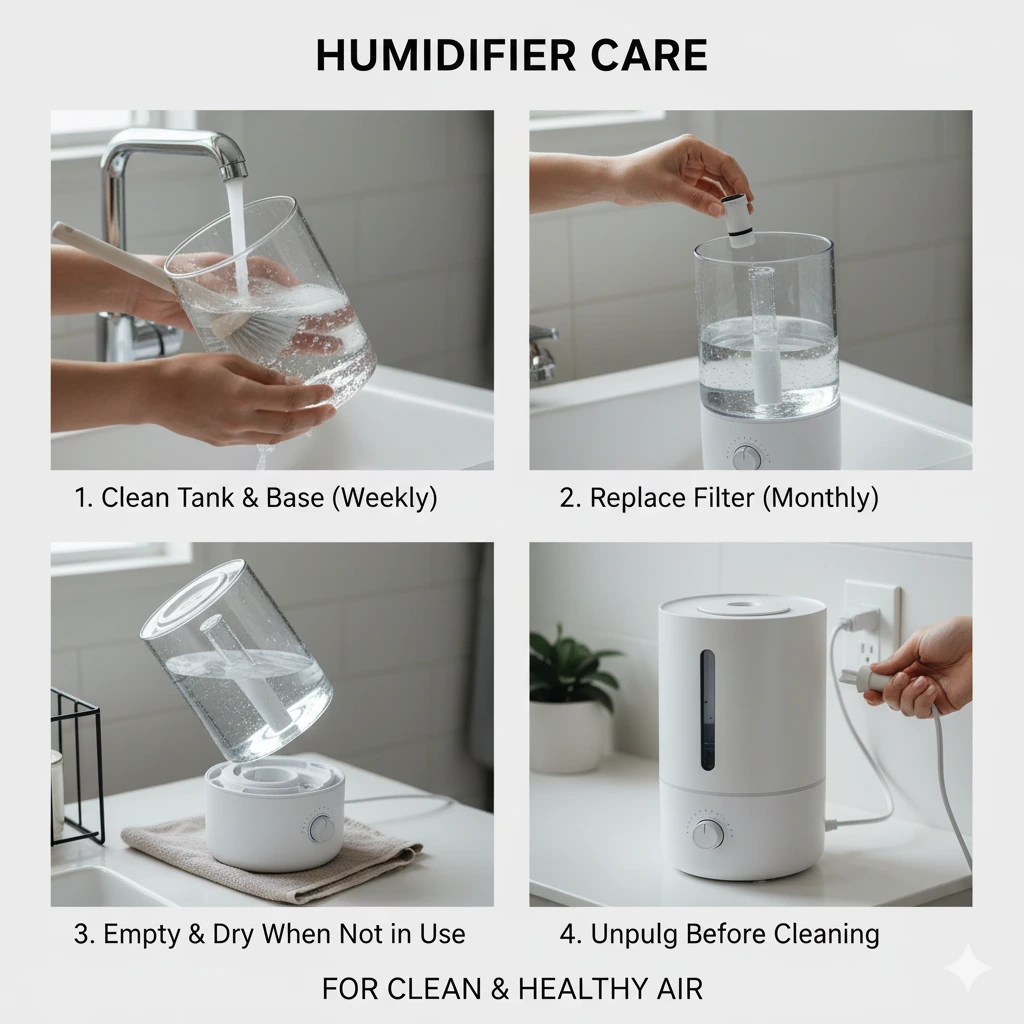
So, you’ve picked out a shiny new air cleaner or humidifier, and it’s doing its thing, making your home feel better. That’s great! But here’s the thing, these gadgets don’t just work magic on their own.
They need a little TLC to keep doing their best work. Think of it like owning a pet; you can’t just get one and forget about it. You’ve got to feed it, clean up after it, and make sure it’s healthy. Your air quality devices are kind of the same way.
Essential Air Purifier Maintenance: Filter Replacement
Air purifiers are pretty straightforward when it comes to upkeep. The main event is the filter. Most units have a HEPA filter, and these guys usually need swapping out every six to twelve months. Then there’s often a carbon filter, which helps with odors and gases, those typically have a shorter lifespan, maybe three to six months.
Don’t forget the pre-filter, if yours has one, it catches the big stuff like pet hair and dust bunnies. You can usually just vacuum this one monthly, or sometimes even wash it. Ignoring filter changes means your air purifier just becomes a fancy fan, pushing dirty air around.
It’s a good idea to check your manufacturer’s manual for the exact schedule, and maybe even put a reminder on your calendar. You can find replacement filters for many models online, like replacement filters for air purifiers.
Humidifier Maintenance: Daily and Weekly Tasks
Humidifiers, on the other hand, are a bit more hands on. They deal with water, and where there’s water, there’s potential for gunk to grow. So, daily, you’ll want to empty out the old water and refill the tank with fresh water.
This stops stagnant water from becoming a breeding ground for anything unpleasant. Weekly, it’s time for a more thorough cleaning. You’ll want to tackle any mineral buildup, especially if you’re using tap water.
A good soak with white vinegar usually does the trick. After scrubbing and rinsing, make sure all the parts are completely dry before putting it back together. This might sound like a lot, but it really prevents mold and bacteria from getting a foothold.
Choosing Devices Based on Maintenance Commitment
When you’re shopping, don’t just look at the price tag or how pretty it looks. Think about how much time you’re willing to spend on upkeep. If you’re someone who likes to set it and forget it, an air purifier with long lasting filters might be your best bet.
If you don’t mind a bit of daily or weekly attention, a humidifier could be fine. Some newer models have features like filter replacement alerts or self cleaning cycles, which can make life easier. It’s all about finding a balance that works for your lifestyle. Remember, a well maintained device works better and lasts longer.
Proper maintenance isn’t just about keeping your device running, it’s about ensuring the air or moisture it produces is actually clean and healthy for your home. Skipping these steps can turn a helpful appliance into a source of problems.
Common Mistakes to Avoid When Making Your Choice
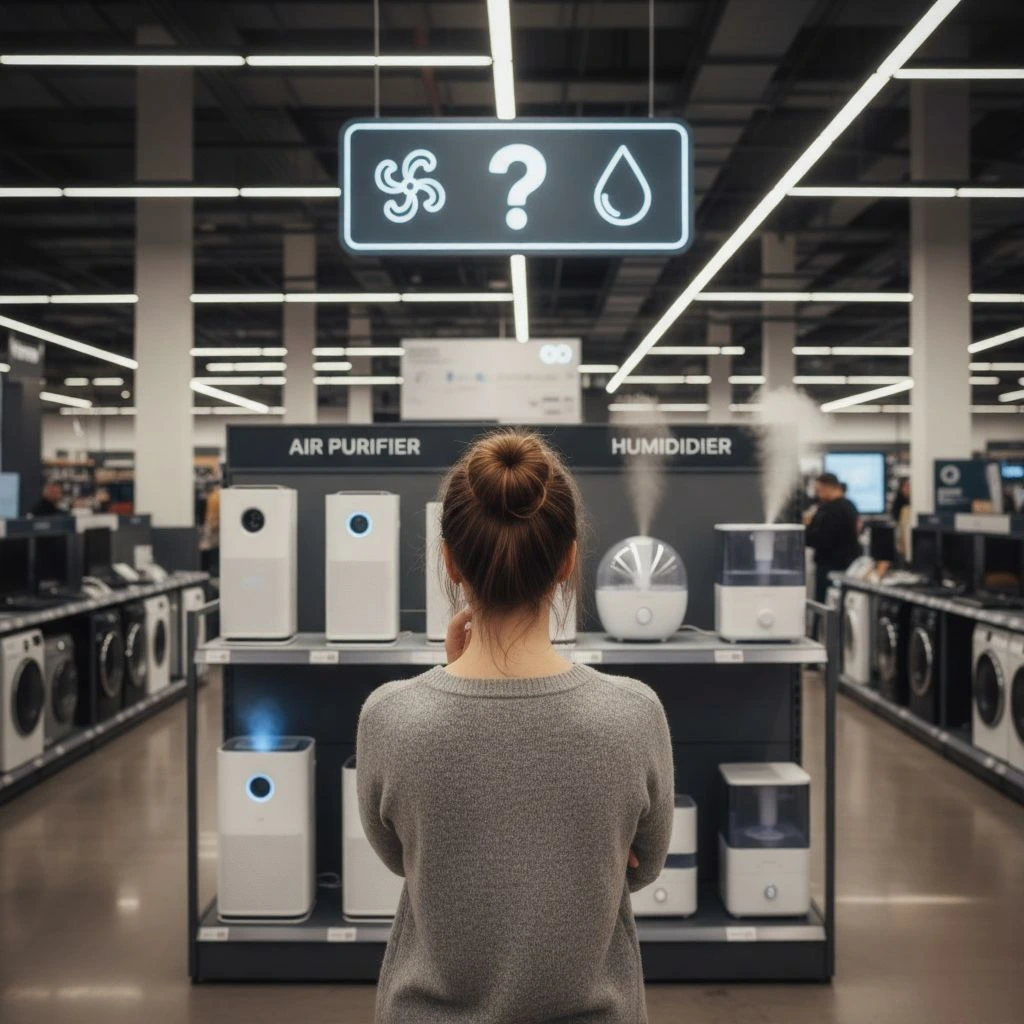
Picking the right device for your home’s air quality can be tricky. It’s easy to get them mixed up, or to just grab the first thing you see without really thinking it through. But making a few common errors can mean you end up with something that doesn’t really help, or worse, makes things a bit worse.
Misdiagnosing Your Home’s Air Quality Problem
This is probably the biggest slip up people make. You might think your sniffles and dry throat are from dust and allergens, so you go straight for an air purifier. But what if the real issue is just dry air? An air purifier won’t add any moisture back into your home.
On the flip side, if your main problem is pollen or smoke, a humidifier won’t do much to clear those particles out. It’s really important to figure out what’s actually bothering you before you buy anything. A simple hygrometer can tell you your home’s humidity level, which is a good starting point.
Most experts suggest keeping humidity between 30% and 50% for comfort and health. If your levels are consistently below that, a humidifier is likely what you need. If your air feels stuffy and you notice a lot of dust or lingering smells, an air purifier might be the better bet. You can find affordable hygrometers online to help you check your home’s humidity.
Ignoring Room Size and Device Capacity
Another common pitfall is not matching the device to the space you want to use it in. Buying a small, bedroom sized humidifier for your entire living room just won’t cut it. It’ll run constantly and still won’t raise the humidity levels much.
Similarly, a tiny air purifier in a large open plan area will struggle to make a noticeable difference. Always check the manufacturer’s specifications for room coverage. They usually give you a square footage range that the device is designed for.
It’s better to get a unit that’s rated for a slightly larger space than you need, rather than one that’s too small. This ensures it can work efficiently without being overworked.
Here’s a general idea of how room size relates to device capacity:
| Room Size | Humidifier Coverage | Air Purifier CADR |
|---|---|---|
| Small (150 sq ft) | 150–300 sq ft | 100–150 CFM |
| Medium (300 sq ft) | 300–500 sq ft | 200–300 CFM |
| Large (500+ sq ft) | 500+ sq ft | 300+ CFM |
Overlooking Maintenance and Safety Features
Both air purifiers and humidifiers need regular care to work well and stay safe. If you’re not someone who likes a lot of upkeep, you need to be realistic about what you can handle. Humidifiers, especially, need frequent cleaning. If you don’t change the water daily and clean the tank weekly, you can end up growing mold and bacteria, which then get dispersed into your air.
That’s definitely not good for your health. Look for models that are easy to take apart and clean. For air purifiers, the main maintenance is changing the filters. Some have indicator lights to remind you, which is handy.
Always check the cost and availability of replacement filters before you buy. Also, consider safety features like auto shutoff when the water runs out on humidifiers, or tip over protection. These little things can make a big difference in daily use and prevent accidents.
Making Your Final Choice
So, after all that, deciding between an air purifier and a humidifier really comes down to what’s bothering you most in your home. If dust, pollen, or pet dander are making you sneeze, an air purifier is probably your best bet.
It’s designed to grab those tiny particles right out of the air. On the other hand, if you’re dealing with dry skin, static shocks, or a scratchy throat, especially when the heat is on, a humidifier is what you need to add some much needed moisture back into your air.
Think about your specific symptoms and your home’s climate. Sometimes, you might even find that you need both to get your indoor air just right. Just remember to keep up with the cleaning for humidifiers and filter changes for purifiers, because a well maintained machine works best.