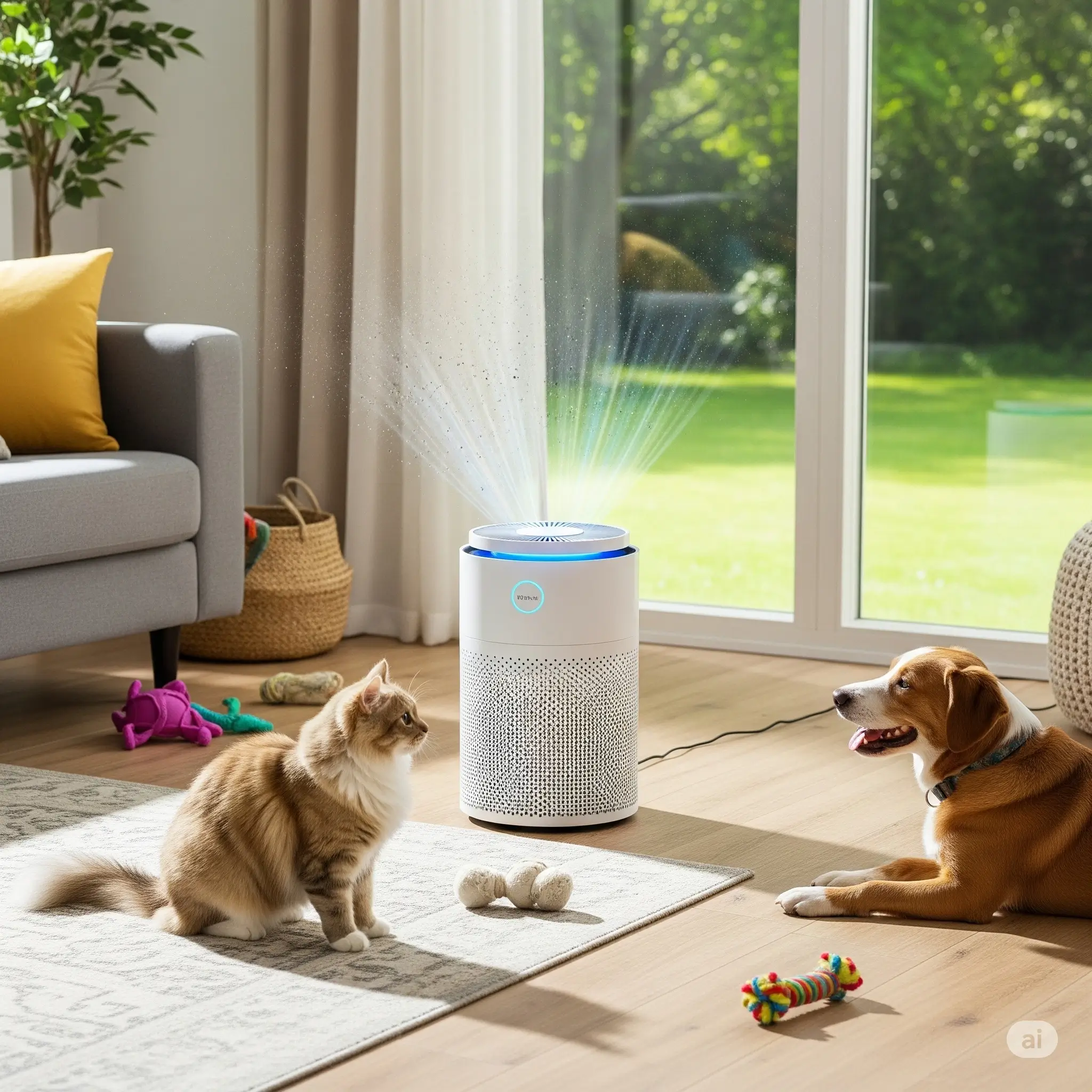
Wildfire smoke infiltrates indoor environments with alarming efficiency, introducing hazardous particulate matter and volatile organic compounds that compromise respiratory health. The microscopic particles, particularly PM2.5, penetrate standard home barriers, creating indoor air quality challenges that persist long after visible smoke dissipates. For individuals managing asthma, chronic obstructive pulmonary disease or seasonal allergies, smoke contamination transforms living spaces into potential health hazards.We help you to choose the best air purifier for wildfire smoke.
Modern air purification technology offers effective defense mechanisms. This comprehensive analysis examines leading smoke filtration systems, evaluating performance metrics including Clean Air Delivery Rate (CADR), true HEPA efficiency, activated carbon capacity and real world smoke removal capabilities. Our research identifies solutions across multiple price points and coverage areas, helping you select optimal protection for your specific indoor environment.
Key Takeaways
- Wildfire smoke particles (PM2.5) and gaseous pollutants require specialized multi stage filtration combining HEPA and activated carbon technologies
- CADR ratings for smoke removal should match or exceed your room’s square footage for effective air exchange rates
- Smart air quality monitoring with automatic fan speed adjustment optimizes energy efficiency during extended smoke events
- Portable personal air purifiers complement whole house filtration for multi room protection strategies
- Pre filtration maintenance extends HEPA filter longevity and reduces long term operating costs during heavy smoke exposure
Understanding Wildfire Smoke Filtration Requirements
Before examining specific air purification systems, understanding the composition of wildfire smoke clarifies why specialized filtration proves essential. Smoke from burning vegetation contains:
- Fine Particulate Matter (PM2.5) : Particles measuring 2.5 microns or smaller that penetrate deep into lung tissue
- Volatile Organic Compounds (VOCs) : Gaseous chemicals including formaldehyde, benzene, and acrolein
- Carbon Monoxide : Odorless gas that reduces oxygen delivery
- Polycyclic Aromatic Hydrocarbons (PAHs) : Cancer causing compounds released during combustion
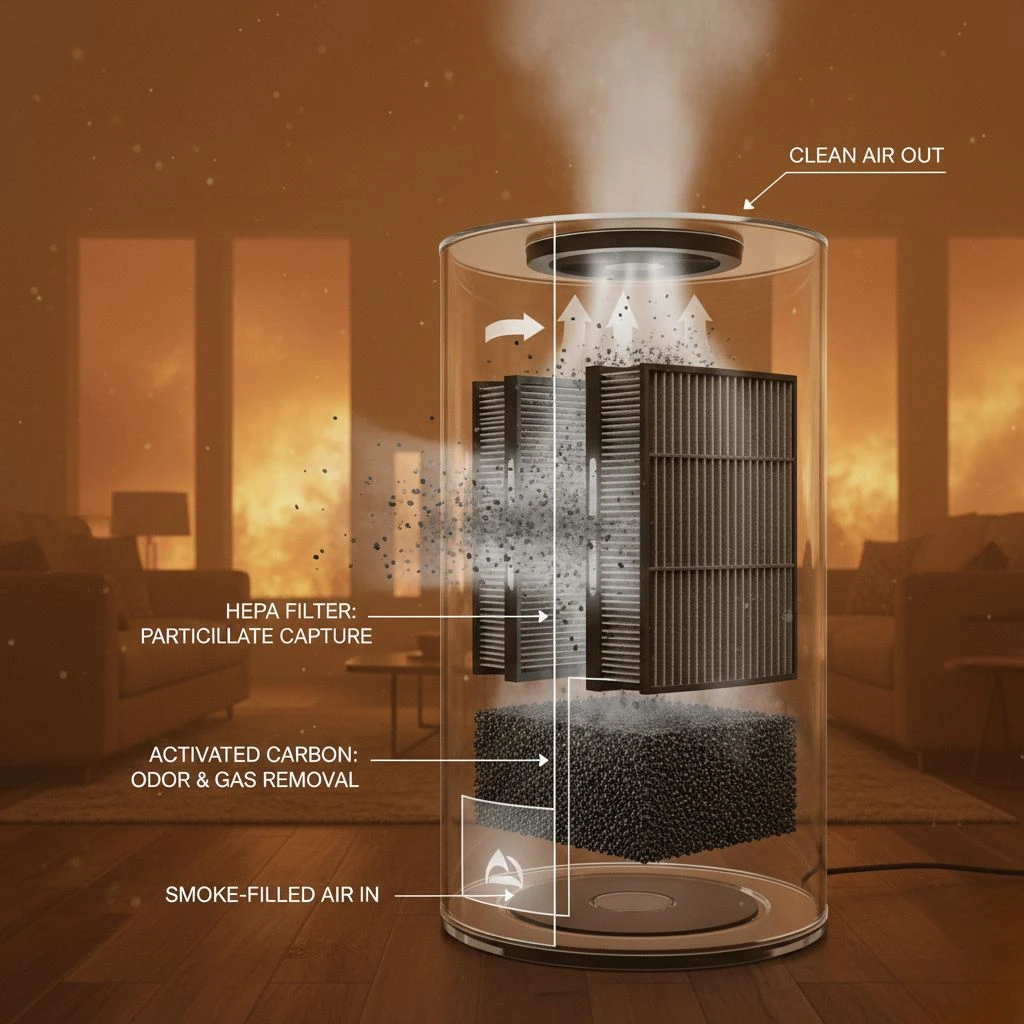
Effective smoke air purifiers must address both solid particles and gaseous contaminants through multi stage filtration architecture.
Top 10 Air Purifiers for Wildfire Smoke Protection in 2025
Levoit Core 400S : Smart Whole Room Smoke Filtration
The Levoit Core 400S delivers comprehensive air purification for medium to large living spaces, combining H13 True HEPA filtration with substantial activated carbon for smoke particle capture and odor neutralization. This unit excels during wildfire events, processing contaminated air through three distinct filtration stages that collectively remove 99.97% of airborne particles down to 0.3 microns.
Smart home integration distinguishes this model from basic purifiers. The VeSync application provides real time PM2.5 readings, filter life tracking and remote operation from any location. Voice command compatibility through Amazon Alexa and Google Assistant enables hands free adjustments when smoke levels fluctuate unexpectedly.
Key Performance Features :
- Coverage Area : Effectively purifies spaces up to 403 square feet with 5 air changes per hour
- Three Stage Filtration System : Preliminary filter captures large debris, True HEPA filter traps microscopic smoke particles, high efficiency activated carbon layer adsorbs smoke odors and VOCs
- Smart Air Quality Monitoring : Real time laser particle sensor triggers automatic fan speed adjustments based on detected pollution levels
- Sleep Mode Technology : Reduces operational noise to 24 decibels while maintaining air purification during overnight hours
The automatic mode functionality proves particularly valuable during unpredictable smoke events. As outdoor air quality deteriorates and smoke infiltrates indoor spaces, the Core 400S detects elevated particle concentrations and increases filtration intensity without manual intervention. When air quality improves, the system reduces fan speed to conserve energy and minimize noise output.
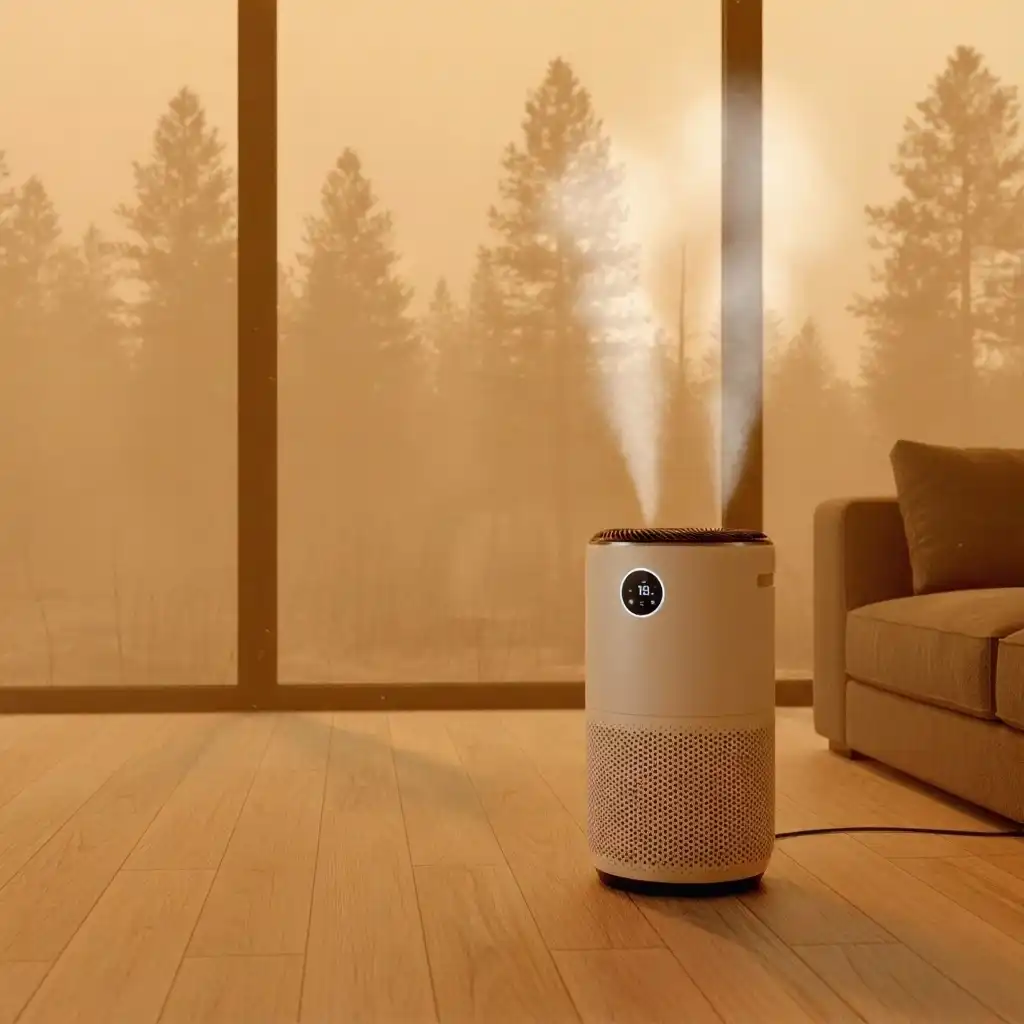
Filter maintenance remains straightforward with in app replacement notifications. The combined HEPA and activated carbon filter typically requires replacement every 6-8 months under normal conditions, though heavy wildfire smoke exposure may necessitate more frequent changes to maintain optimal performance.
Everest Air : Whole Home Smoke Defense System
When wildfire smoke transforms entire neighborhoods, partial room protection proves insufficient. The Levoit EverestAir P-Smart addresses large scale air quality challenges with industrial grade filtration capacity designed for open concept homes, loft spaces, and properties with vaulted ceilings. This unit processes massive air volumes, achieving complete air purification of 2,635 square foot areas within 60 minutes.
The enhanced airflow engineering separates this system from standard residential purifiers. Dual air intake vents and optimized fan blade design maximize Clean Air Delivery Rate without proportional noise increases. During severe smoke events affecting entire regions, the EverestAir maintains breathable indoor air quality when outdoor AQI readings reach hazardous levels.
Technical Specifications :
- Maximum Coverage : Purifies up to 2,635 square feet per hour for comprehensive whole floor protection
- Three Stage Filtration : Pre filter, True HEPA, and activated carbon layers process high air volumes efficiently
- Accelerated Air Processing : Turbo mode delivers 5+ air changes per hour in standard living rooms
- Adaptive Smoke Detection: PM2.5 sensor continuously monitors particle concentrations and adjusts operation intensity automatically
Automatic operation mode transforms this unit into a set and forget solution during extended wildfire seasons. The integrated air quality sensor evaluates real time particle concentrations every second, modulating fan speed to match current contamination levels. As morning smoke blankets dissipate, the system reduces intensity.When afternoon winds bring fresh smoke intrusions, purification accelerates immediately without user intervention.
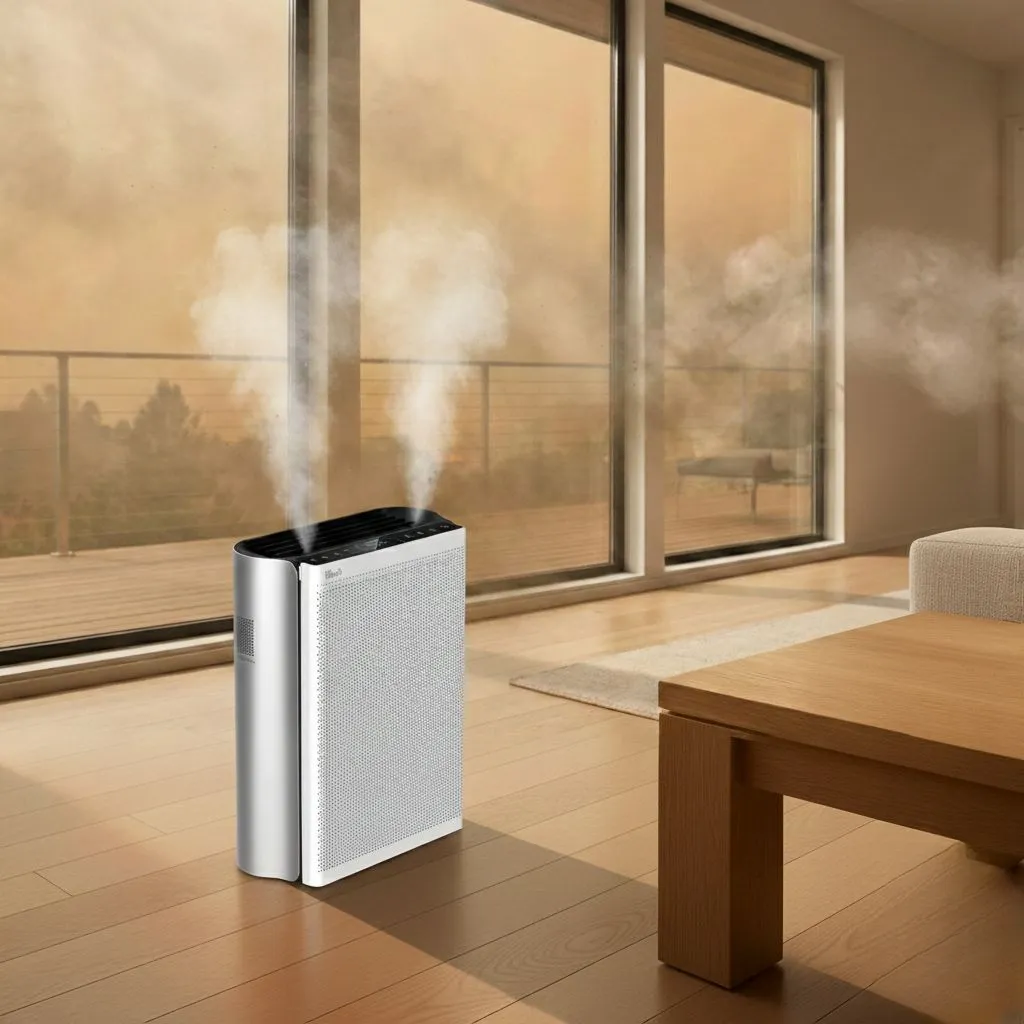
The substantial build quality reflects commercial grade engineering. Heavy duty motor components and reinforced fan assemblies withstand continuous high speed operation throughout multi week smoke events without performance degradation or premature mechanical failure.
Levoit Vital 200S : Dual Purpose Pet and Smoke Air Purifier
Pet ownership complicates wildfire smoke management. Animal dander, loose fur, and biological odors combine with smoke particles to create complex indoor air quality challenges. The Levoit Vital 200S specifically addresses this intersection with specialized filtration optimized for both pet related allergens and combustion byproducts.
The pre filtration stage captures visible pet hair and larger dander particles before they reach the HEPA media, extending filter longevity during simultaneous pet and smoke exposure. This design consideration reduces maintenance frequency and operational costs compared to systems where pet hair prematurely clogs fine filtration layers.
Specialized Features for Pet Owners :
- Pet Mode Cycling : Alternates fan speeds to optimize removal of various particle sizes from lightweight dander to dense smoke.
- H13 True HEPA Filtration : Medical grade filter media captures 99.97% of particles including pet allergens and PM2.5 smoke particles.
- Enhanced Activated Carbon : Removes both biological odors from pets and acrid smoke smells simultaneously.
- Allergen Sensor : Detects protein based allergens and adjusts purification intensity accordingly.
Real time air quality feedback proves essential when managing multiple contamination sources. The integrated particle sensor distinguishes between elevated readings from pet activity versus smoke intrusion, enabling informed decisions about ventilation strategies and outdoor access timing for animals.
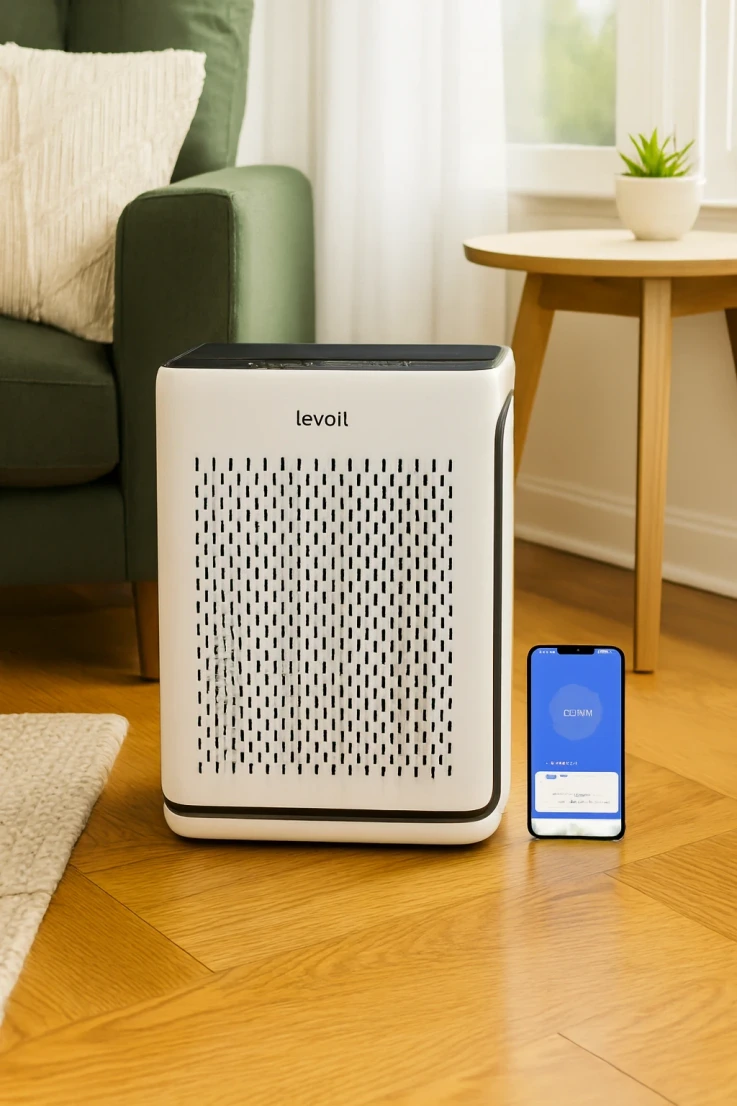
The 300 square foot coverage capacity suits typical bedrooms, home offices, and medium sized living areas where pets spend concentrated time. For whole home protection in pet friendly households, deploying multiple units in high traffic animal areas provides comprehensive coverage during wildfire season.
Austin Air HealthMate – Chemical Sensitivity Smoke Solution
Wildfire smoke composition extends beyond visible particles into complex chemical contamination including VOCs, aldehydes, and semi volatile organic compounds. Standard activated carbon layers provide basic odor reduction, but comprehensive gaseous pollutant removal requires substantially greater adsorption capacity.
The Austin Air HealthMate Plus, distinguishes itself with medical grade chemical filtration utilizing 6.5 pounds of activated carbon and zeolite, five to ten times the capacity found in typical consumer air purifiers.
This massive adsorption bed proves critical for individuals with chemical sensitivities, multiple chemical sensitivity (MCS), or respiratory conditions triggered by low level VOC exposure. While many purifiers remove visible smoke, the HealthMate Jr. addresses invisible gaseous components that persist long after particle levels decline.
Chemical Filtration Advantages :
- 6.5 Pound Carbon Bed : Military grade activated carbon impregnated with zeolite for superior VOC adsorption
- Medical Grade HEPA : True HEPA filtration tested for 99.97% efficiency at 0.3 microns
- Formaldehyde Removal : Specialized media targets this common wildfire smoke component
- Five Year Filter Life: Extended replacement intervals significantly reduce long term operational costs
Independent laboratory testing demonstrated 86% improvement in indoor air quality metrics within treated spaces. This performance particularly benefits those recovering from smoke exposure or managing pre existing respiratory compromise where chemical irritants trigger symptoms at lower concentrations than healthy individuals experience.
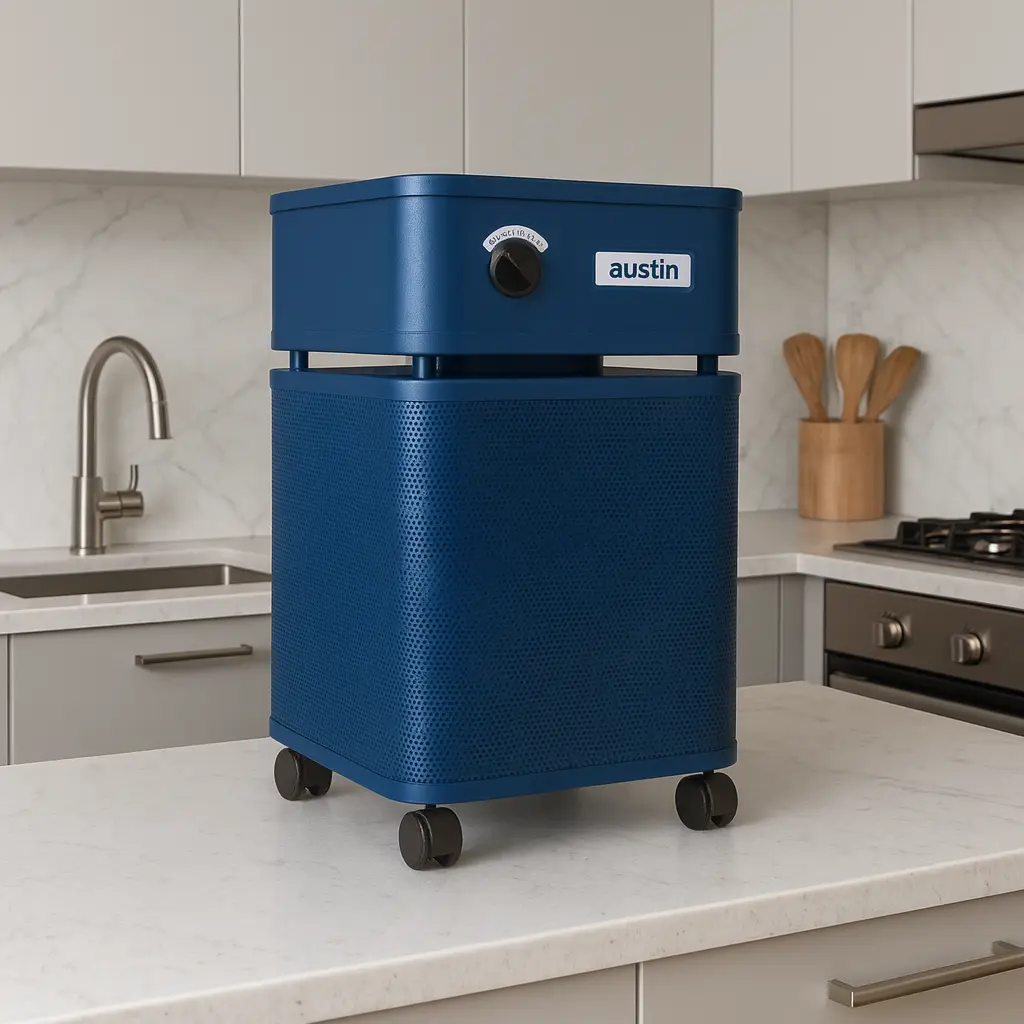
The American manufacturing ensures consistent quality control and parts availability. While the unit lacks smartphone connectivity or automatic modes common in newer designs, the mechanical simplicity increases reliability and reduces potential failure points during critical smoke events requiring continuous operation.
Acoustic performance represents the primary compromise. The powerful fan generates noticeable sound at higher settings, a worthwhile trade off for users prioritizing maximum chemical filtration over whisper quiet operation. Strategic placement in living areas rather than bedrooms mitigates noise concerns while maintaining effective smoke removal.
Rabbit Air A3 : Premium Pet Owner Smoke Purification
Pet owners facing wildfire season confront unique challenges, animals track outdoor particles indoors, their fur attracts and holds smoke residue and standard air purifiers struggle with combined pet dander and smoke loads. The Rabbit Air A3 addresses these concerns through specialized six stage filtration architecture including a dedicated Pet Allergy Filter targeting animal specific allergens alongside smoke particles.
The substantial activated carbon capacity exceeds typical residential purifiers, providing odor neutralization for both biological smells and smoke related odors. This dual action odor control proves essential in multi pet households where litter boxes, wet fur, and smoke exposure create complex scent challenges that single purpose filters cannot adequately address.
Pet Specific Design Elements :
- Six-Stage Filtration : Pre filter, medium filter, BioGS HEPA filter, customized Pet Allergy filter, activated carbon filter, and negative ion generator
- Wall Mounting Capability : Elevates unit above pet access, preventing damage and maintaining optimal air intake positioning
- Customizable Panels : Artist designed front panels integrate aesthetically with home décor
- Ultra Quiet Operation : 25.6 decibel minimum operation enables use in noise sensitive environments
The wall mounting feature addresses a frequently overlooked concern: curious pets investigating or damaging floor standing purifiers. Elevated positioning also improves air circulation patterns, as the unit draws air from higher room levels where smoke particles concentrate due to thermal stratification.
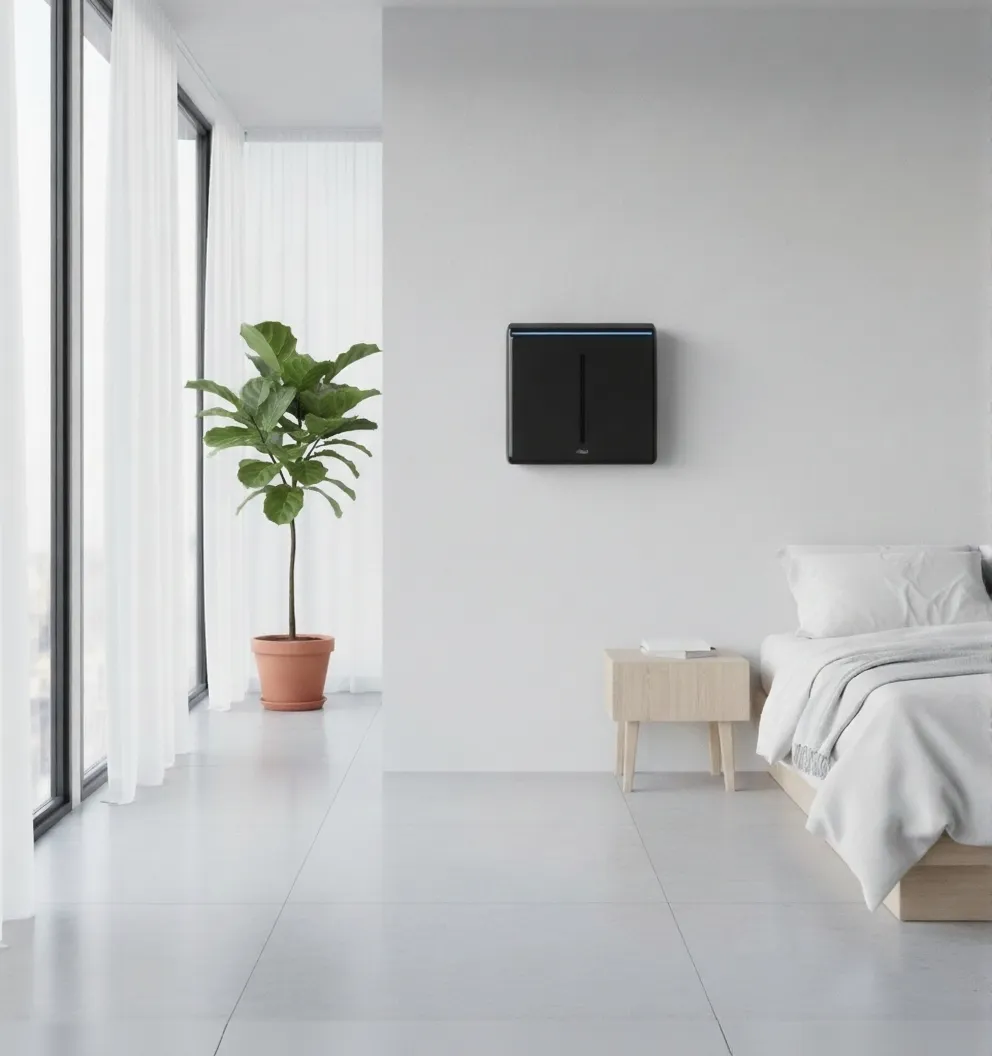
Coverage capacity reaches 815 square feet at 2 air changes per hour, though optimal performance occurs in 400-500 square foot spaces where the system achieves 4+ air exchanges hourly. This refresh rate proves particularly important when pets move between outdoor and indoor environments during smoke events, continuously introducing fresh contamination.
The premium pricing reflects specialized engineering and comprehensive filtration. For dedicated pet owners prioritizing both animal health and smoke protection, the investment delivers measurable improvements in indoor air quality that justify the higher initial cost through long term reliability and reduced health risks for both humans and animals.
Levoit Vital 100S : Budget Conscious Smoke Filtration
Effective wildfire smoke protection need not require substantial financial investment. The Levoit Vital 100S delivers genuine H13 True HEPA filtration and activated carbon odor control at an accessible price point, making comprehensive air quality protection feasible for budget conscious households, renters and those equipping multiple rooms.
Despite modest cost, this Levoit unit incorporates essential smart features including automatic air quality detection and adaptive fan speed adjustment. The real time particle sensor monitors PM2.5 concentrations and modulates operation intensity to match current conditions, technology previously reserved for premium models.
Value Focused Features :
- 300 Square Foot Coverage : Ideal for bedrooms, home offices, apartments, and medium sized living spaces
- Three Stage Filtration : Preliminary filter, H13 True HEPA, and high efficiency activated carbon for comprehensive smoke removal
- Auto Mode Intelligence : PM2.5 sensor triggers fan speed changes based on detected air quality degradation
- Energy Saving Eco Mode : Reduces power consumption during extended periods of clean air
The automatic mode delivers particular value during unpredictable smoke events. Users need not constantly monitor outdoor air quality reports or manually adjust settings. the Vital 100S responds autonomously to deteriorating conditions, providing peace of mind during overnight hours when smoke levels often peak.

Noise output remains surprisingly moderate given the budget positioning. Sleep mode operation measures 23 decibels, enabling bedroom use without significant sound disturbance. Higher fan speeds generate audible airflow, but most users find the sound quality non intrusive during waking hours when smoke filtration takes priority.
Filter replacement economics enhance the long term value proposition. Combined HEPA and carbon filters retail at reasonable prices, with typical replacement intervals of 6-8 months under moderate use. During heavy smoke seasons, more frequent changes maintain optimal performance without dramatically increasing annual operating costs.
Levoit Core 600S : Large Space Smoke Management
Spacious living areas, open concept floor plans, and great rooms present unique air purification challenges. The Levoit Core 600S specifically targets these larger spaces with elevated Clean Air Delivery Rate specifications and extended coverage capacity reaching 635 square feet with 5 complete air changes per hour, sufficient for most residential living areas.
The multi stage filtration system processes substantial air volumes without sacrificing particle capture efficiency. High capacity True HEPA media maintains 99.97% filtration effectiveness even under the increased airflow demands of large space purification, while the enhanced activated carbon layer addresses the proportionally greater odor loads present in bigger rooms.
Large Room Performance Specifications :
- 635 Square Foot Coverage : Comprehensive purification for spacious living areas, master bedrooms, and open layouts
- High CADR Ratings : Smoke CADR of 410 CFM ensures rapid air cleaning during acute smoke events
- Smart Integration : VeSync app control, voice commands, and scheduling enable convenient large space management
- Automatic Air Quality Adjustment : PM2.5 laser sensor continuously monitors conditions and optimizes fan speed
The smartphone application proves particularly valuable for large space applications where the purifier may operate at distance from primary living areas. Remote monitoring confirms operational status and air quality trends without requiring visual line of sight to the unit’s control panel.
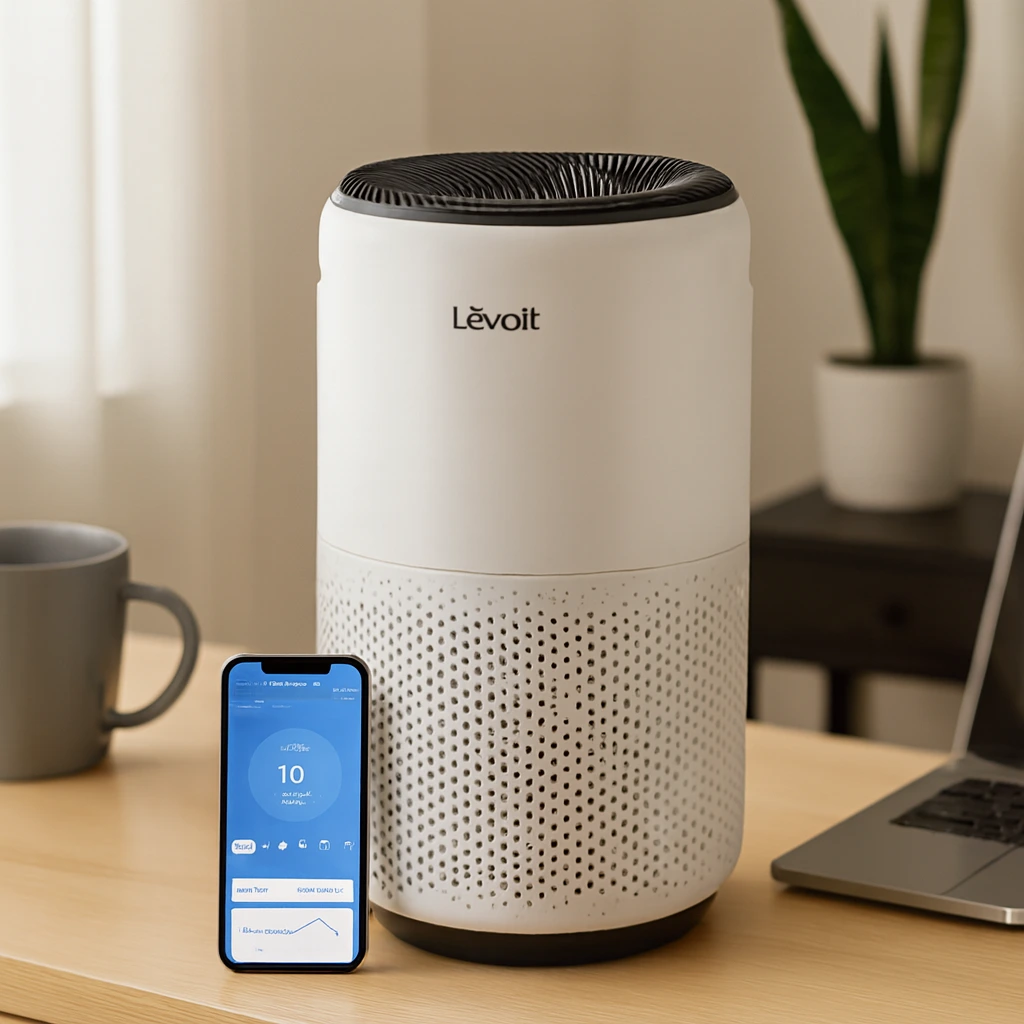
Acoustic considerations deserve attention in large room applications. While the unit operates quietly on lower settings suitable for ambient purification, high speed operation during severe smoke events generates noticeable fan noise. Strategic placement away from quiet zones and conversational seating areas mitigates sound impact while maintaining effective air circulation patterns.
The substantial physical footprint matches the performance capabilities. This unit occupies more floor space than compact models, requiring dedicated positioning in larger rooms where the size becomes proportional to the space rather than visually dominant.
Coway Mighty : Allergy Focused Smoke Defense
Wildfire smoke exacerbates existing allergic conditions by introducing inflammatory particles that compound reactions to pollen, dust mites, and other common allergens. The Coway Mighty addresses this intersection with broad spectrum allergen removal capabilities that extend beyond smoke specific filtration to comprehensive indoor air quality improvement.
The four stage filtration system incorporates an ionizer that charges particles for enhanced capture efficiency alongside traditional mechanical filtration. This approach proves particularly effective for the diverse particle sizes present during simultaneous smoke and allergy season exposure.
Allergy Specific Performance Metrics :
- HEPA Filtration : Captures 99.97% of allergens including pollen, mold spores, dust mites, and smoke particles
- CADR Ratings : Dust (246), Pollen (240), Smoke (233) demonstrate balanced particle removal across size ranges
- Air Quality Indicator : Color coded visual display communicates current conditions at a glance
- 361 Square Foot Coverage : Suitable for bedrooms and medium living areas where allergy sufferers spend concentrated time
The automatic mode operation adjusts fan speed based on real time air quality detection, providing elevated filtration during smoke intrusions while conserving energy during clean air periods. After 30 minutes of good air quality, the system enters Eco mode dramatically reducing power consumption without compromising protection readiness.
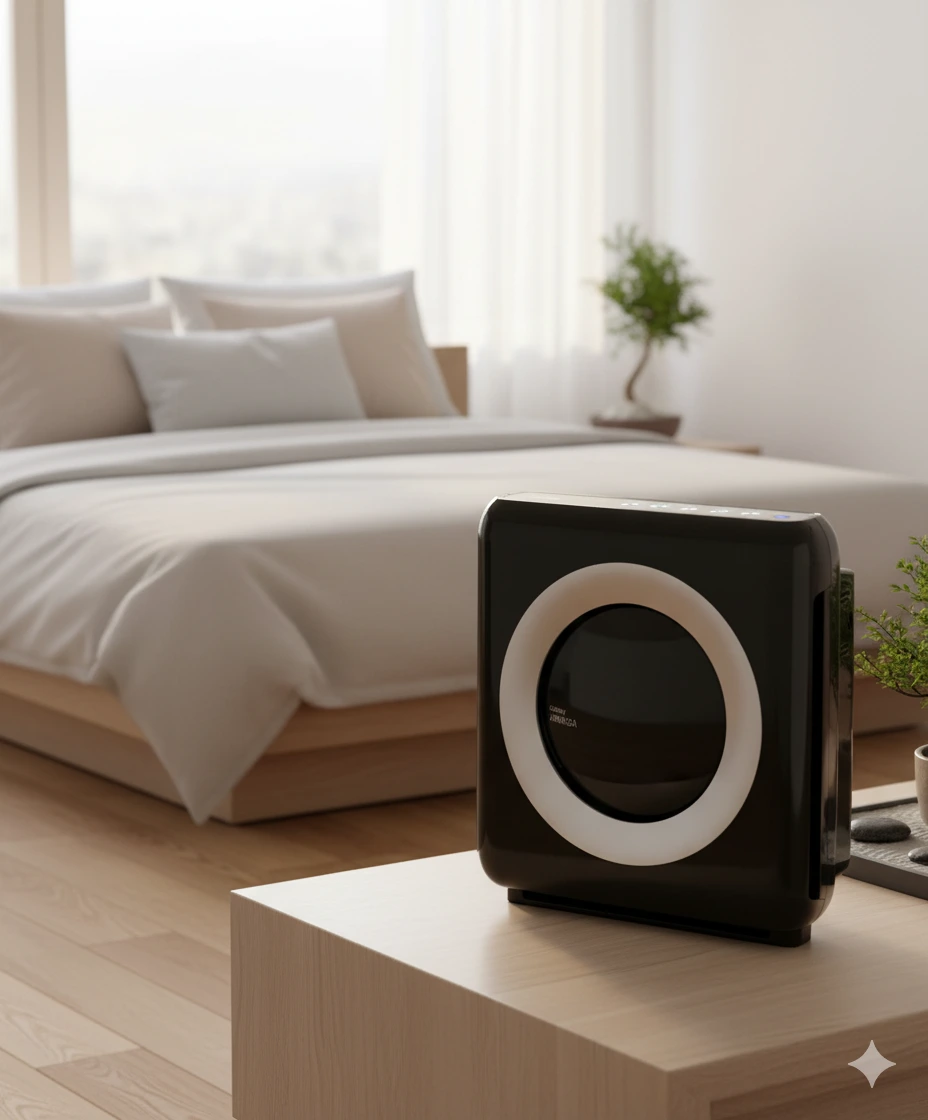
The visual air quality indicator eliminates guesswork about current conditions. Blue indicates excellent air quality, purple signals moderate pollution, and red warns of poor air requiring immediate filtration. This immediate feedback helps allergy sufferers correlate symptoms with objective air quality data and validate purifier effectiveness during smoke events.
Compact design enables flexible placement in bedrooms and living areas without dominating visual space. The 361 square foot coverage suits typical bedrooms where allergy sufferers spend 8+ hours nightly in close proximity to purified air, maximizing health benefit exposure time.
Levoit Core 400S PlasmaPro : Advanced Molecular Smoke Neutralization
Traditional air purification relies on mechanical capture,
particles pass through filter media where size exclusion traps contaminants. The Levoit Core 400S PlasmaPro extends beyond this limitation with integrated plasma technology that actively neutralizes pollutants at the molecular level rather than merely trapping them physically.
The PlasmaPro system generates positive and negative ions that attach to airborne particles, VOCs, and gaseous pollutants. These charged ions destabilize molecular bonds, breaking down complex smoke compounds into simpler, less harmful substances. This approach proves particularly effective against VOCs and semi volatile organic compounds that traditional activated carbon filters struggle to fully adsorb.
Advanced Purification Technology :
- Dual polarity Ion Generation : Releases balanced positive and negative ions for molecular level pollutant neutralization
- Three-Stage Mechanical Filtration : Combines plasma technology with traditional pre filter, True HEPA, and activated carbon for comprehensive removal
- 99.97% Particle Capture : Maintains standard HEPA efficiency while adding gaseous pollutant breakdown capabilities
- Smart Home Integration : Full app control, voice commands, and detailed air quality analytics
The real time air quality dashboard provides granular data beyond simple PM2.5 readings. Users access historical trends, hourly pollution patterns, and filter life projections, information valuable for understanding smoke exposure patterns and optimizing ventilation strategies during wildfire events.

The plasma technology operates silently alongside mechanical filtration without generating ozone, a critical safety consideration. While some ionizers produce ozone as a byproduct, the PlasmaPro system incorporates specific engineering to prevent ozone generation, ensuring the purification process itself doesn’t introduce respiratory irritants.
This model represents a forward looking approach to air purification suitable for users prioritizing cutting edge technology and maximum pollutant removal efficacy. The combination of traditional filtration with active molecular neutralization provides defense in depth against the complex composition of wildfire smoke.
Selecting Your Optimal Wildfire Smoke Air Purifier
Choosing appropriate air purification requires evaluating multiple factors beyond basic filtration capability:
Room Size and Air Exchange Rate
Calculate your space’s square footage and match it to purifier coverage specifications. For effective smoke removal, target systems providing 4-5 complete air changes per hour (ACH) within your room dimensions. Undersized units struggle to keep pace with smoke infiltration during severe air quality events.
Filtration System Architecture
Prioritize purifiers combining True HEPA filtration (for PM2.5 particles) with substantial activated carbon (for smoke odors and VOCs). The carbon bed weight directly correlates with odor removal capacity, heavier carbon loads provide longer lasting odor control during extended smoke exposure.
Clean Air Delivery Rate (CADR)
CADR ratings quantify a purifier’s smoke removal efficiency. Higher smoke CADR values indicate faster air cleaning. Match CADR ratings to room size: small rooms (150-300 sq ft) require 100-150 CADR, medium rooms (300-500 sq ft) need 150-250 CADR, and large spaces (500+ sq ft) benefit from 250+ CADR.
Air Purifier CADR Calculator
Smart Features and Automation
Air quality sensors with automatic mode operation eliminate manual adjustment during unpredictable smoke events. Smartphone connectivity enables remote monitoring when away from home, while scheduled operation reduces energy consumption during predictable clean air periods.
Filter Replacement Economics
Calculate total cost of ownership including filter replacement frequency and pricing. Some budget purifiers require frequent expensive filter changes, while premium units with long lived filters prove more economical over multi year ownership despite higher initial costs.
Maximizing Air Purifier Effectiveness During Wildfire Smoke Events
Optimal purifier performance requires strategic implementation beyond simply powering on the unit:
Strategic Placement
Position purifiers in central room locations away from walls and furniture that obstruct airflow. Avoid corners where air circulation stagnates. Elevate units on tables or stands when possible smoke particles concentrate at varying heights depending on thermal conditions.
Seal Indoor Environments
Close windows and doors to minimize smoke infiltration. Seal gaps around window frames and door sweeps with weatherstripping. This containment approach reduces the volume of contaminated air requiring filtration, allowing your purifier to maintain cleaner baselines.
Run Purifiers Continuously
During smoke events, operate purifiers 24/7 rather than intermittently. Continuous operation maintains clean air rather than repeatedly cleaning heavily contaminated air. Many modern units consume minimal energy on low settings, making continuous operation economically feasible.
Create Clean Air Rooms
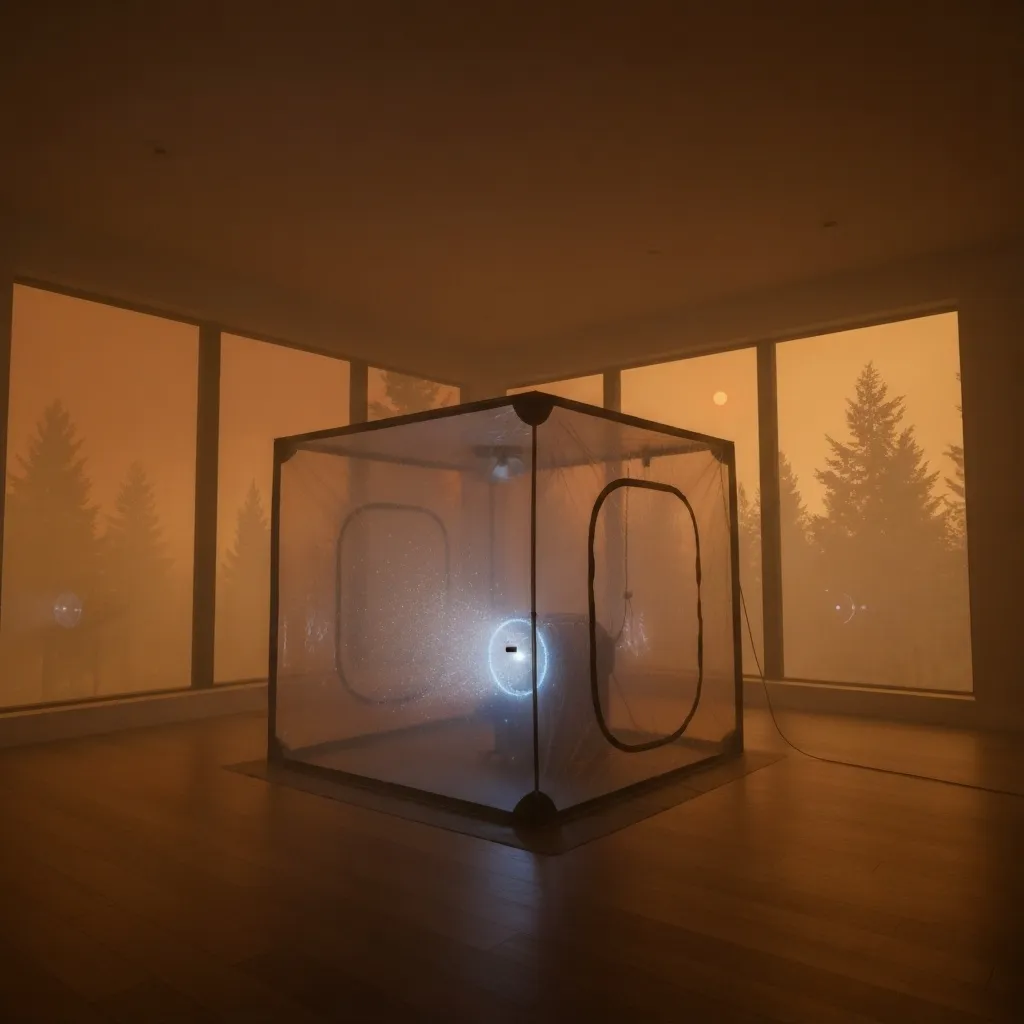
When smoke becomes severe, designate one room as a clean air refuge. Close doors, seal gaps, and run an appropriately sized purifier continuously in this space. This strategy proves especially important for vulnerable individuals including children, elderly adults, and those with respiratory conditions.
Monitor Air Quality Proactively
Use standalone air quality monitors or purifiers with integrated sensors to track indoor PM2.5 levels. Respond to deteriorating readings by increasing purifier speed before symptoms develop. Many smart purifiers provide outdoor air quality data for comparison, helping identify when indoor levels exceed outdoor pollution.
Maintain Pre Filters Regularly
During heavy smoke exposure, pre filters accumulate visible contamination within days rather than months. Clean or replace prefilters frequently to prevent clogging that reduces overall system airflow and filtration effectiveness. This simple maintenance step dramatically extends HEPA filter longevity.
Understanding Filter Replacement and Maintenance
Proper maintenance maximizes purifier effectiveness and minimizes long term operational costs:
Filter Life Expectancy
HEPA and activated carbon filters typically last 6-12 months under normal conditions. Heavy wildfire smoke exposure accelerates filter saturation, expect 3-6 month replacement intervals during severe seasons. Monitor filter indicators and replace proactively rather than waiting for complete exhaustion.
Pre Filter Maintenance Schedule
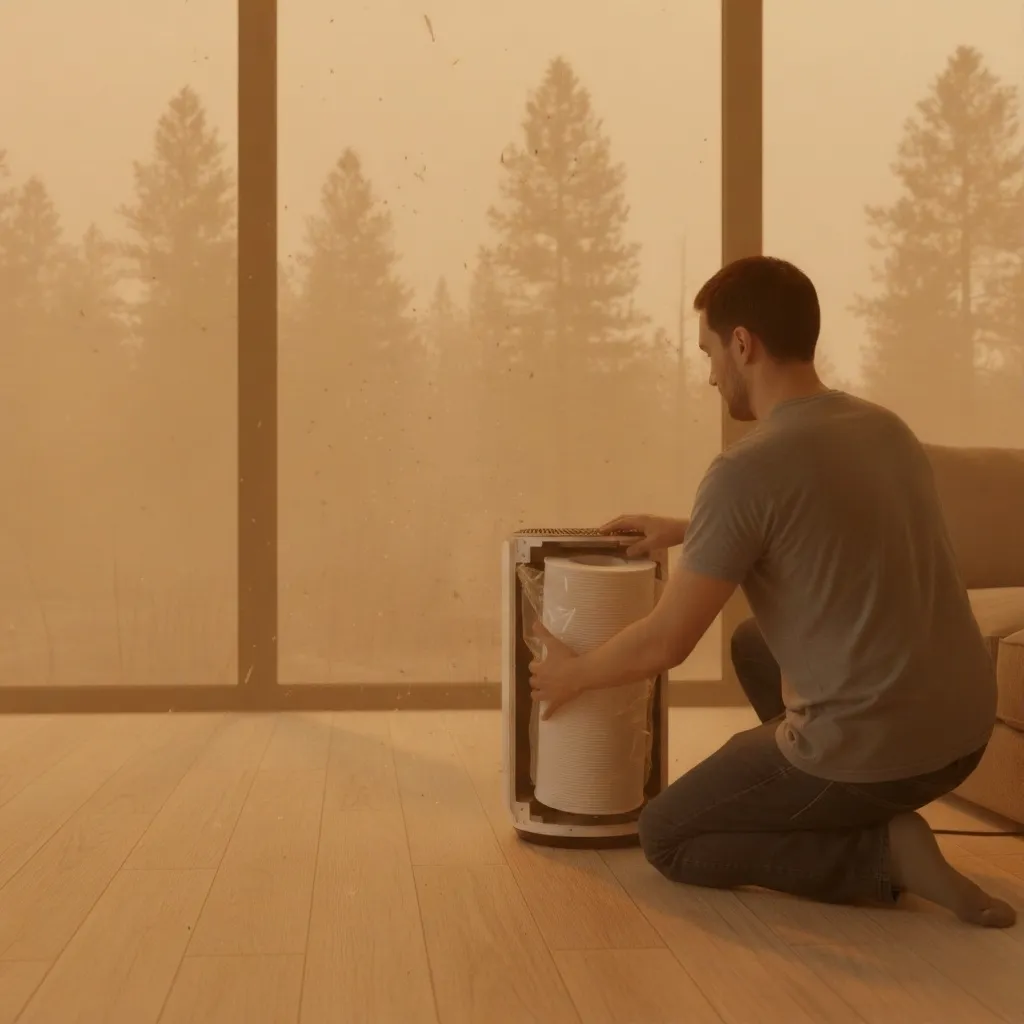
Washable pre filters should be cleaned monthly during smoke season. Vacuum or rinse under water to remove accumulated dust and smoke residue. Allow complete drying before reinstalling to prevent moisture damage and mold growth within the filter chamber.
Signs of Required Replacement
Reduced airflow, increasing noise levels, persistent odors despite operation and elevated air quality readings despite running the purifier all indicate filter saturation. Don’t rely solely on timer based replacement schedules, actual replacement needs vary based on usage intensity.
OEM vs. Generic Filters
Original equipment manufacturer (OEM) filters ensure exact fit and tested performance specifications. Generic alternatives may offer cost savings but can vary in filtration efficiency and longevity. When air quality protection is critical, OEM filters provide reliability worth the premium pricing.
Health Considerations and Vulnerable Populations
Wildfire smoke poses elevated risks for specific population groups requiring enhanced protection:
Children and Infants
Developing respiratory systems prove more susceptible to smoke damage. Children breathe faster relative to body weight, increasing smoke particle intake. Place high quality purifiers in children’s bedrooms and play areas to minimize exposure during critical developmental periods.
Elderly Adults
Age related decline in lung function reduces the body’s ability to clear inhaled particles. Cardiovascular conditions common in older adults worsen under smoke exposure. Prioritize continuous purification in spaces where elderly individuals spend concentrated time.
Asthma and COPD Patients
Pre existing respiratory conditions trigger acute symptom exacerbations during smoke events. Even moderate air quality degradation provokes breathing difficulties in compromised individuals. Medical grade HEPA purifiers with high CADR ratings provide essential protection for this population.
Pregnant Women
Smoke exposure during pregnancy associates with adverse fetal development outcomes. Protecting maternal respiratory health safeguards developing children. Invest in comprehensive whole home purification when pregnancy coincides with wildfire season.
Beyond Purification : Comprehensive Smoke Protection Strategies
Air purifiers form one component of complete smoke defense:
Create Positive Indoor Pressure
Use bathroom and kitchen exhaust fans sparingly, they create negative pressure drawing outdoor smoke indoors. Consider portable air conditioning units that don’t require window openings. Seal your home to prevent infiltration rather than ventilating during smoke events.
HVAC Filter Upgrades
Replace standard HVAC filters with high MERV rated options (MERV 13+) or HEPA filters if your system accommodates them. This whole home approach complements portable purifiers by filtering air circulating through ductwork.
Monitor Outdoor Air Quality
Subscribe to air quality alerts through EPA AirNow, local health departments, or weather apps. Track PM2.5 levels and Air Quality Index (AQI) readings to make informed decisions about outdoor activities and ventilation strategies.
Evacuation Planning
When AQI exceeds 300 (hazardous levels), purifiers alone may prove insufficient protection. Develop evacuation plans to cleaner air regions or public clean air shelters when smoke reaches dangerous concentrations.
Long Term Investment: Cost Benefit Analysis of Air Purification
Evaluating air purifier purchases requires examining both immediate and ongoing costs:
Initial Purchase Price
Budget models range from $80-150, mid range units cost $200-400, and premium systems reach $500-800+. Base selection on coverage needs and feature requirements rather than price alone, an undersized budget purifier wastes money while failing to protect adequately.
Annual Filter Replacement
Calculate replacement filter costs and frequency. Annual filter expenses range from $50-80 for budget models to $150-300 for premium units with specialized filters. Systems with longer filter life (like Austin Air’s 5-year filters) often prove more economical despite higher initial costs.
Energy Consumption
Modern purifiers consume 30-80 watts on average settings. Running 24/7, expect $20-50 annual electricity costs depending on local utility rates, a minor expense compared to filter replacements and initial purchase price.
Health Cost Avoidance
Smoke exposure increases respiratory illness, emergency room visits, and medication needs. Purifier investments offset potential healthcare costs for vulnerable individuals. Consider purification an insurance policy against health complications rather than discretionary home improvement.
The Science Behind Smoke Particle Removal
Understanding filtration mechanics helps evaluate marketing claims and select effective technologies:
HEPA Filtration Standards
Authentic HEPA grade filters are certified to trap 99.97 % of airborne contaminants that are 0.3 micrometres in diameter, the dimension at which particles are hardest to stop.”HEPA-type” or “HEPA-like” filters fail to meet this standard and prove less effective for fine smoke particles. Verify True HEPA certification for reliable smoke removal.
Activated Carbon Adsorption
Carbon’s porous structure traps gaseous molecules through adsorption. Carbon treated with chemicals (impregnated carbon) enhances VOC removal. Carbon bed depth matters, thicker beds provide greater adsorption capacity and longer useful life before saturation.
Air Changes Per Hour
ACH quantifies how many times a purifier completely replaces room air within one hour. During smoke events, target 4-5 ACH minimum for effective particle reduction. Calculate ACH by dividing purifier CADR by room cubic footage and multiplying by 60.
Clean Air Delivery Rate
CADR measures cubic feet of clean air delivered per minute for specific particle sizes (smoke, dust, pollen). Higher CADR values indicate faster air cleaning. Match CADR to room size: CADR should equal or exceed 2/3 of room square footage for optimal performance.
Regional Wildfire Patterns and Protection Planning
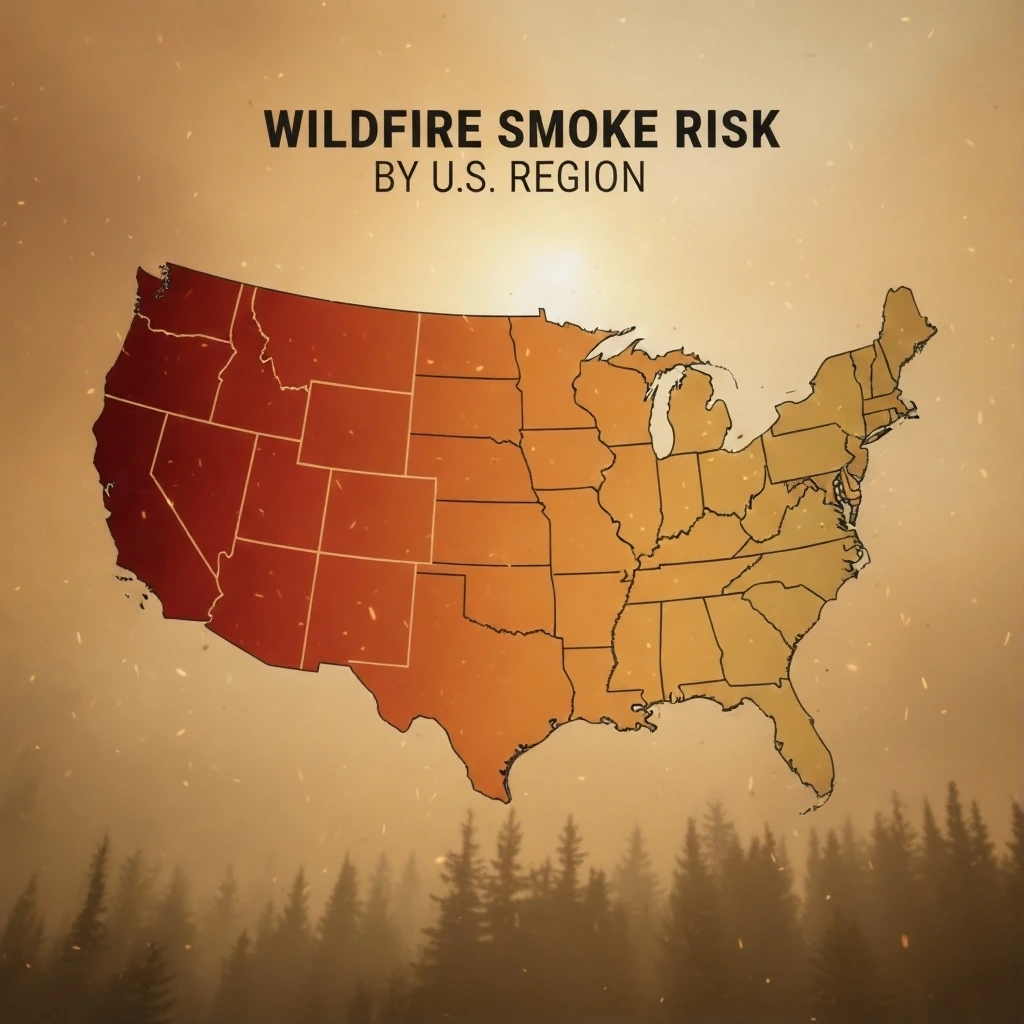
Smoke exposure risk varies dramatically by geographic location:
Western United States
California, Oregon, Washington, Idaho, Montana, and Colorado experience recurring severe wildfire seasons June through October. Residents should maintain year round purification capacity and stock replacement filters before fire season begins when shortages occur.
Intermountain West
Mountainous terrain and dry forests create extended fire vulnerability. Inversions trap smoke in valleys for days. Invest in whole home systems or multiple room units to maintain breathable air during prolonged smoke events.
Canadian Provinces
British Columbia, Alberta, and increasingly eastern provinces face growing wildfire frequency. Cross border smoke transport affects northeastern U.S. states. Monitor regional fire activity even hundreds of miles from immediate fire locations.
Southwestern Deserts
Arizona and New Mexico wildfires occur year round due to arid conditions. Monsoon season sometimes clears smoke but also ignites new fires through lightning strikes. Maintain purification readiness throughout the calendar year rather than seasonally.
Conclusion: Protect Your Indoor Air Quality This Wildfire Season
Wildfire smoke represents a persistent and growing threat to indoor air quality across expanding geographic regions. Rising fire frequency and intensity driven by climate patterns mean smoke exposure affects more households annually, transforming air purification from optional comfort feature to essential health protection equipment.
The air purifiers reviewed above, from budget friendly single room units to whole home filtration systems, provide proven smoke particle removal and odor neutralization capabilities. Whether prioritizing comprehensive VOC elimination (Austin Air HealthMate Plus), pet friendly multi purpose filtration (Levoit Vital 200S and Rabbit Air A3), or smart home integration with molecular level purification (Levoit Core 400S PlasmaPro), effective solutions exist across all price points and coverage requirements.
Selecting appropriate air purification requires evaluating room dimensions, specific health concerns, budget constraints, and desired automation features. Prioritize True HEPA filtration with substantial activated carbon capacity, match CADR ratings to room size, and ensure continuous operation capacity throughout extended smoke events.
Beyond purchasing quality equipment, maximize protection through strategic placement, building envelope sealing, proactive air quality monitoring, and regular filter maintenance. Create designated clean air rooms during severe smoke episodes, especially for vulnerable household members including children, elderly adults, and those managing respiratory conditions.
Wildfire smoke infiltration transforms your home from sanctuary to potential health hazard. Investing in proven air purification technology restores indoor air quality, reduces respiratory irritation, and provides peace of mind throughout increasingly challenging fire seasons.
Breathe easier knowing you’ve implemented effective protection for yourself and your family.
Ready to protect your home from wildfire smoke? Explore our top rated air purifier recommendations above and find the perfect solution for your space and budget
Frequently Asked Questions About Wildfire Smoke Air Purifiers
Wildfire Smoke Penetration in Indoor Spaces
Why does wildfire smoke penetrate indoor spaces despite closed windows?
Wildfire smoke penetrates indoor spaces despite closed windows because standard construction methods do not create airtight barriers sufficient to exclude ultrafine particles.
- Particle Size: PM2.5 particles (0.1–2.5 microns) infiltrate microscopic gaps.
- Entry Points: Window seals, door frames, electrical outlets, HVAC penetrations.
- Concentration Levels: Indoor smoke often reaches 50–70% of outdoor concentrations.
- Mitigation: High CADR air purifiers reduce indoor particle concentrations effectively.
Critical Features for Wildfire Smoke Air Purifiers
What is the most critical feature when selecting an air purifier for wildfire smoke?
True HEPA filtration combined with substantial activated carbon capacity is essential.
- HEPA Role: Captures microscopic PM2.5 particles.
- Activated Carbon Role: Adsorbs VOCs and smoke odors.
- CADR Requirement: Ideally ≥ 2/3 of room square footage.
- Smart Features: Sensors trigger automatic fan speed adjustments.
Best Air Purifier for Whole-Home Smoke Protection
Which air purifier works best for whole-home wildfire smoke protection?
The EverestAir air purifier is recommended for comprehensive whole-home protection.
- Coverage: Purifies up to 2,635 sq ft/hour with three-stage filtration.
- Use Case: Ideal for open layouts, great rooms, vaulted ceilings.
- Alternative Strategy: Multiple room-specific purifiers (e.g., Levoit Core 400S) for layered protection.
Portable Air Purifiers for Travel
Can portable air purifiers effectively protect against wildfire smoke when traveling?
Yes, portable purifiers like the Levoit Core Mini provide effective protection during travel.
- Filtration: Genuine three-stage filtration in compact format.
- Coverage: ~178 sq ft, suitable for hotel rooms/personal zones.
- Portability: Fits in luggage, works with standard outlets.
- Target Audience: Travelers with sensitivities or evacuees.
Pet-Specific Air Purifiers for Wildfire Smoke
Do pet-specific air purifiers work equally well for wildfire smoke?
Yes, units like Levoit Vital 200S and Rabbit Air A3 excel at both pet allergens and smoke.
- Dual Function: Enhanced pre-filtration + activated carbon for odors and smoke.
- Particle Removal: Multi-stage filtration captures pet dander and PM2.5 smoke.
- Value: Versatile, year-round investment for pet + smoke households.
Filter Replacement Frequency During Wildfire Season
How frequently should I replace air purifier filters during wildfire season?
Filters may need replacement every 3–6 months during active wildfire seasons.
- Indicators: Reduced airflow, persistent odors, elevated particle readings.
- Maintenance: Clean/replace pre-filters monthly during heavy smoke.
- Rule of Thumb: Base replacement on exposure, not calendar intervals.
Premium vs. Budget Air Purifiers for Smoke
Are expensive air purifiers significantly better than budget models?
Price correlates with features, coverage, and filter capacity, not basic smoke removal effectiveness.
- Budget Models: Levoit Vital 100S cleans appropriately sized rooms effectively.
- Premium Models: Austin Air HealthMate Jr. offers larger coverage, 5-year filters, superior VOC removal.
- Decision Factor: Budget = single rooms; Premium = whole-home or sensitivities.
Complete Elimination of Wildfire Smoke
Can air purifiers eliminate all wildfire smoke indoors?
No, but they dramatically reduce concentrations during severe events.
- Performance: Reduce indoor PM2.5 to 10–30% of outdoor levels.
- Requirements: Proper sizing, continuous operation, sealed windows/doors.
- Extreme Conditions: AQI > 300 may overwhelm purifiers; evacuation is safer.
Health Benefits of Air Purifiers for Smoke
Do air purifiers help with smoke-related health symptoms?
Yes, they reduce exposure to PM2.5 and VOCs that trigger coughing, throat irritation, and eye discomfort.
- Timeline: Relief often within 2–4 hours of continuous operation.
- Vulnerable Groups: Asthma, COPD, cardiovascular patients benefit most.
- Limitation: Purifiers reduce exposure but don’t treat conditions; seek medical care if persistent.
Operational Runtime During Wildfire Season
Should I run my air purifier continuously or only when smoke is visible?
Run continuously (24/7) during wildfire season, regardless of visible smoke.
- Invisible Threats: PM2.5 persists even when smoke isn’t visible.
- Efficiency: Continuous operation maintains clean baseline air.
- Energy Use: Modern purifiers use 30–80W; Auto Mode conserves energy.