Allergy season can feel like a never ending battle. If you’re anything like me, you’ve probably tried everything from air purifiers to endless tissue boxes. But one question keeps popping up, does a humidifier help with allergies?
I was curious, so I did some digging into what science actually says about humidifiers and allergy relief. Turns out, there’s more to it than just adding moisture to the air. Let’s break down what really happens when you plug in that humidifier and whether it’s worth adding to your allergy fighting toolkit.
Key Takeaways
- Humidifiers add moisture to dry indoor air, which can help soothe irritated nasal passages and throats.
- Keeping indoor humidity between 40% and 60% can make it harder for dust mites and some allergens to thrive.
- Regular cleaning and using distilled water in your humidifier is important to prevent mold and bacteria growth.
- Humidifiers work best when paired with other allergy controls, like air purifiers and regular cleaning.
- Not all humidifiers are the same, choosing the right type and maintaining it properly can make a big difference for allergy relief.
The Science Behind How Humidifiers Impact Allergies
Understanding how a humidifier affects allergies means looking at the relationship between moisture, allergens, and your respiratory system. The way humidity interacts with airborne particles, the lining of your nose and throat, as well as common allergens like dust mites and mold, all play a part in this story.
How Humidity Levels Affect Allergen Presence
Humidity has a noticeable effect on the types and amounts of allergens floating around your home. When the air is too dry, it encourages dust and pollen to stay airborne, increasing what you might inhale. On the other hand, too much moisture can feed dust mites and mold.
Effects of Indoor Humidity on Common Allergens
| 🌡️ Humidity Level | 🕷️ Dust Mites | 🍄 Mold Spores | 🌸 Airborne Pollens |
|---|---|---|---|
| <30% | Low | Low | High |
| 30–50% | Moderate | Very Low | Moderate |
| >60% | High | High | Low |
Keeping humidity in the 30-50% range makes indoor environments less favorable for most allergens.
Impact of Moisture on Nasal and Throat Irritation
Dry indoor air does more than just zap moisture from your skin; it can turn breathing into an annoyance for anyone with allergies. When the air is parched, you’ll probably notice:
- Scratchy or sore throats in the morning
- Stuffy or irritated nasal passages
- Itchiness in the eyes and nose
Having a humidifier running at night can add enough moisture to reduce this discomfort. The added moisture soothes the lining in your respiratory tract, helping you breathe easier and reducing those everyday allergy annoyances.
Regularly breathing air with balanced humidity can make your mornings less miserable. It’s not a cure all, but you often wake up less congested and irritated.
Why Dust Mites and Mold React to Humidity
- Both dust mites and mold are picky about the conditions they thrive in, and moisture is the main trigger for both. Here’s how humidity plays into their growth cycles:
- Dermatophagoides farinae prefer higher humidity. When levels spike above 50%, their populations explode. Lowering humidity keeps their numbers in check.
- Mold needs damp surfaces to grow. If your humidifier isn’t maintained or the air stays really moist, mold can pop up on walls, windows, or even inside the humidifier itself.
Balance is everything. Too little moisture, and allergens float freely, too much, and you’ve set up a playground for mold and mites.You don’t want your efforts to backfire. Controlling the humidityr, ather than just maxing it out, is the real trick to using humidifiers for allergy relief.
Benefits of Using a Humidifier for Allergy Sufferers

Ever wake up with a scratchy throat or stuffy nose, especially during those long winter months or in air conditioned rooms? Turns out, dry air is often the culprit, making allergy symptoms worse. When you utilise a humidifier, it adds just enough moisture back into the air so your nasal passages, throat, and even your eyes don’t feel so irritated.
Proper humidity supports the body’s natural mucus production, helping to trap dust, germs, and allergens. This means you’re less likely to experience those annoying bouts of nasal dryness or a tickly cough. At the same time, your airways are better protected and more comfortable through supported mucus flow.
- Eases dryness in nasal passages (no more constant nose-blowing)
- Helps prevent that burning feeling in your throat
- Reduces eye irritation, especially if you have allergies or wear contacts
When the air is comfortably moist, your airways don’t dry out as quickly. That simple shift can make allergy season way more manageable.
Reducing Airborne Particles and Irritants
With allergies, it’s not just about pollen there’s dust, pet dander, and even remnants from outdoor pollutants floating inside your home. When the air is dry, these tiny irritants tend to hang around and can be breathed in more easily. A humidifier slightly weighs these particles down with humidity, so they settle out of the air instead of floating up your nose.
Airborne Particle Comparison Table
| 🏠 Room Condition | 🌬️ Airborne Allergens Level |
|---|---|
| Dry Air | High |
| Optimal Humidity | Moderate |
| Overly Humid | Increasing (Mold Risk) |
- Moist air helps dust and pollen settle on surfaces where they can be wiped away.
- Less airborne debris means fewer triggers for sneezing or coughing fits.
- Works alongside regular cleaning to keep overall allergen exposure lower.
Improving Sleep Quality During Allergy Seasons
Getting a good night’s sleep while battling allergies is basically a challenge. Congestion, runny nose, and a dry throat can make it hard to rest, leaving you groggy in the morning. Humidity plays a huge role in minimizing these aches, so when you add a humidifier to your bedroom, you might finally wake up without feeling congested.
- Keeps nasal passages clear so you breathe easier at night
- Helps reduce night coughing or post nasal drip
- Can minimize morning headaches caused by dry air
It’s pretty straightforward: boosting humidity in your sleep environment can help your body recover and feel better, even as allergy triggers fluctuate outside.
Choosing the Right Humidifier for Allergy Relief
Finding a humidifier that matches your needs can make a real difference in easing allergy symptoms. There’s no single solution for everyone, especially since allergies can look a bit different from person to person. Here are some down to earth tips for picking out the right one without getting overwhelmed.
Cool Mist vs Warm Mist: Which is Better?
You’ll notice there are mainly two types of humidifiers: cool mist and warm mist. Both have their upsides, but they aren’t identical when it comes to allergies:
| 💧 Type | ✅ Pros | ⚠️ Cons |
|---|---|---|
| Cool Mist | Safer in homes with kids/pets, good for larger spaces | Needs cleaning more often, may spread minerals |
| Warm Mist | Quieter, fewer germs in the vapor | Can get hot to the touch, uses more energy |
For allergy relief, cool mist humidifiers are usually a safer bet, especially in households with kids or pets. Warm mist models work well but can be risky if someone might accidentally touch the hot parts.
Importance of Humidifier Size and Features
Before you buy, think about the space you want to keep comfortable and what extra features would actually help you out:
- Room Size Compatibility – Match the humidifier’s output with your room size (bedroom, living area, etc.)
- Runtime – Larger tanks mean fewer refills, handy if you want it running overnight
- Filter Type – Some use filters to trap particles, which might help if dust is an issue
- Noise Level – If you’re a light sleeper, pay attention to product noise ratings
A well chosen humidifier can make sleeping more comfortable by easing breathing and cutting down on irritation. Choosing the right size means you’ll breathe easier and have one less thing to worry about during allergy season.
Smart Controls and App Integration

Nowadays, lots of humidifiers come packed with tech to make your life easier. Here’s what to look for if you like gadgets or just want less hassle:
- App based adjustments for humidity levels on the go
- Programmable timers so you don’t forget to shut it off
- Automatic humidity sensors that keep things just right
These smarter models are perfect for anyone who wants a little more control and they tend to make adjusting settings during those stuffy, sneezy nights much less of a chore. They can also help you create a comfortable environment for better sleep, as shared in ways humidifiers can make sleeping more comfortable.
In the end, figure out what features matter most for your home, your allergies, and your comfort preferences. A little planning now helps you get real relief next time allergy season rolls around.
Optimizing Indoor Environments for Allergy Control
Managing allergies inside your house can feel like an endless task, especially when symptoms seem to spring up out of nowhere. Focusing on your indoor air and making a few smart choices with humidifiers and other tools can really help. Here’s how you can fine tune your living space to cut down on sniffles and itchy eyes.
Maintaining Optimal Humidity Levels
Keeping your home’s humidity between 40% and 60% makes a big difference for most allergy sufferers. If it’s too dry, irritants and dust are more likely to fly around, making symptoms worse. If it’s too moist, well, mold can start to grow and that’s the last thing you need.
- Use a humidifier to increase humidity in the winter or in dry climates.
- Use a hygrometer to check humidity levels in each room.
- In summer or rainy seasons, open windows or use exhaust fans to keep things from getting muggy.
Never let humidity get so high that you start seeing condensation on windows or walls, that’s a sign you’re overdoing it.
Combining Humidifiers with Air Purifiers
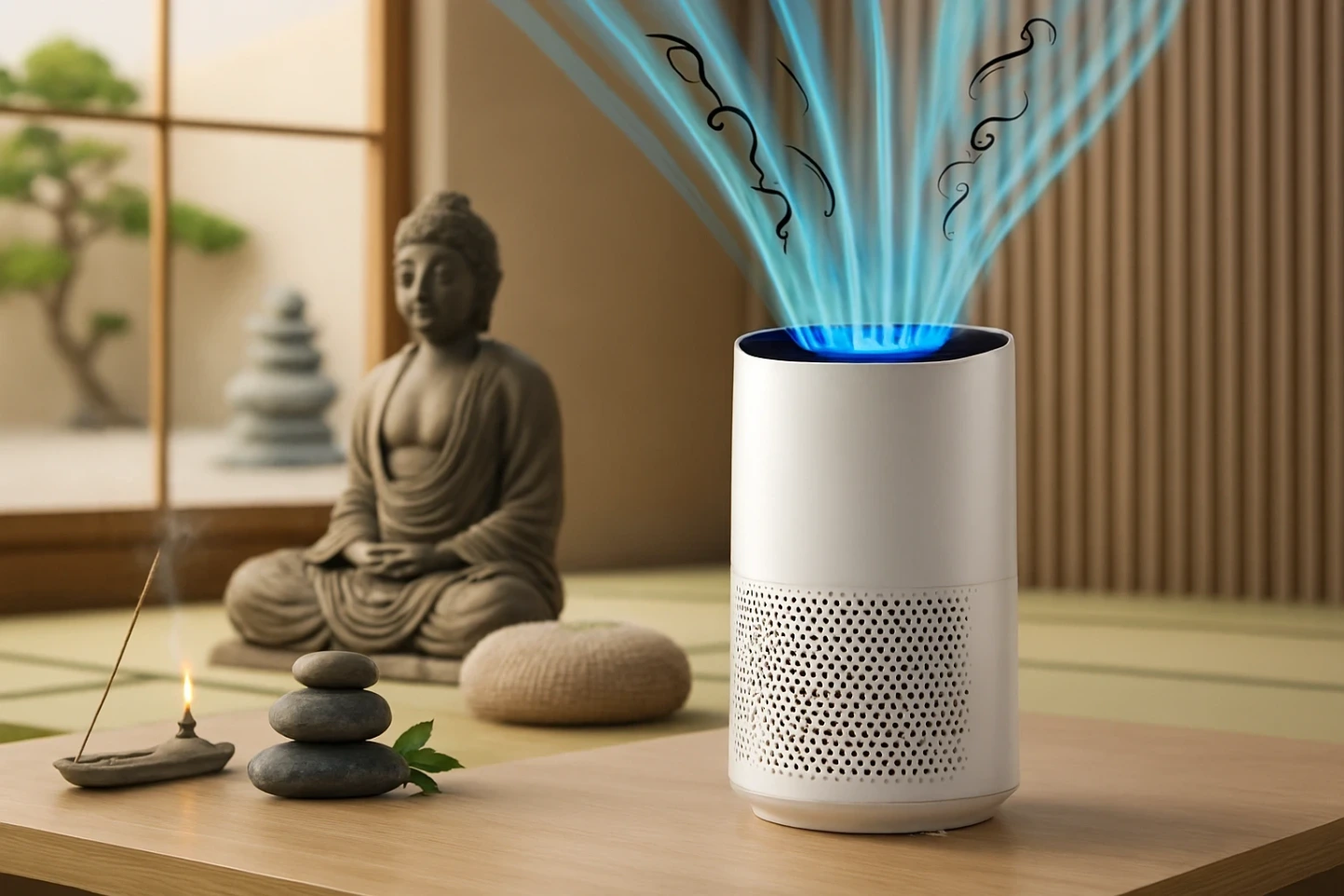
Air purifiers and humidifiers together offer a double layer of support for allergy control. Humidifiers can soothe dry airways, while air purifiers trap particles that trigger sneezing and discomfort. I recommend placing air purifiers a few feet above the ground, near the worst allergen hotspots, instead of hiding them away they work better that way (placing air purifiers).
- Run your air purifier and humidifier in the same room but keep them apart so dampness doesn’t build up on the purifier’s filter.
- Change or clean air filters often, especially during peak allergy seasons.
- Choose devices sized correctly for your room so you get the most benefit.
Additional Tips for Allergen Reduction at Home
Maintaining good indoor air isn’t just about gadgets. Tiny habits and regular cleaning also count :
- Wash bedding weekly in hot water to kill dust mites.
- Vacuum carpets and upholstery at least once a week with a HEPA filter vacuum.
- Consider using hypoallergenic covers on mattresses and pillows.
- Keep pets out of bedrooms where possible.
- Remove heavy curtains or wash them regularly, the same goes for rugs.
Preferred Humidity
| 🌡️ Humidity Level | 🕷️ Dust Mite Growth | 🍄 Mold Growth | 🌬️ Allergen Movement |
|---|---|---|---|
| <30% | Minimal | Rare | High |
| 40%–60% | Moderate | Minimal | Low |
| >60% | Higher | High | Low |
Keeping allergies in check at home isn’t a one time task, it’s about building steady routines and picking the right combination of air care devices for your needs. Everyone’s triggers are different, so don’t hesitate to adjust your approach if symptoms stick around.
Proper Humidifier Maintenance to Prevent Allergy Triggers
A humidifier can be a real lifesaver during allergy season, but if you’re not careful with upkeep, it can actually add to your allergy problems. Mold and bacteria can build up in your machine, sending unwanted particles into your air. That’s the last thing anyone with allergies wants. Honestly, a little attention makes a huge difference, and it’s not rocket science even if it feels like one more chore.
Cleaning Routines to Avoid Mold and Bacterial Growth
- Unplug before cleaning. This one’s easy to forget, but super important.
- Empty and rinse the tank every single day. Let it air dry between uses if possible.
- Do a heavy duty cleaning every 2 to3 days. Use a 1:1 vinegar solution for descaling, soak for 20 minutes, rinse, then disinfect with 3% hydrogen peroxide for a solid half hour. Rinse and dry again. For more guidance, see tips for descaling and disinfecting your humidifier.
- Replace or clean filters as the manufacturer recommends, or even more often if things look grungy.
- Don’t let water sit in the tank between uses. Stale water is prime breeding ground for microbes, and nobody wants to breathe that stuff in.
- Using Distilled Water to Minimize Mineral Deposits
You might be tempted to just fill the tank with tap water. Trouble is, those minerals in tap water lead to the dreaded white dust and can gunk up your humidifier fast. Even worse, you might end up breathing in some of those tiny particles. Use only distilled (or at least demineralized) water. If your unit takes a demineralization cartridge or filter, swap that in as well.
Distilled Water vs. Tap Water Table
| 💧 Feature | 🚰 Tap Water | 💦 Distilled Water |
|---|---|---|
| Mineral Content | High | Low |
| White Dust Formation | Likely | Unlikely |
| Bacterial Growth Risk | Higher | Lower |
Safe Humidifier Placement and Usage
- Don’t put it right on the wood furniture, or too close to walls, water droplets can cause damage or grow unwanted stuff.
- Keep the area around the humidifier dry. If carpets or curtains are getting damp, scale back use or point it somewhere else.
- Always drain and clean the device before storing it, and clean it again before the next allergy season. Toss any old filters or cartridges when you take the humidifier out of storage.
A little effort here can really pay off for your allergies. Regular cleaning, the right water, and smart placement all help keep the machine working for you instead of against you.
Comparing Humidifiers With Other Allergy Management Devices
When fighting allergies at home, picking the right devices can feel tricky. You might see humidifiers and air purifiers getting lots of attention, and for good reason. Both machines target the air you breathe, but do completely different things. Let’s break down how humidifiers stack up against other common allergy tools.
Humidifiers vs Air Purifiers: Complementary Solutions
Humidifiers add humidity to the air, making it less harsh on your nose and throat, especially in dry seasons. Air purifiers, however, filter out tiny particles, like pollen and pet dander. Used together, they can be a one two punch for allergy relief.
What it Does
| 💡 Device | ⚙️ Function | 👍 Best For |
|---|---|---|
| Humidifier | Increases humidity | Dry air, irritated sinuses |
| Air Purifier | Removes airborne allergens | Pet dander, pollen, dust |
| Dehumidifier | Lowers humidity | Mold, dust mites |
- Humidifiers soothe dryness but don’t clean the air.
- Air purifiers trap allergens but don’t add moisture.
- Many people use both devices for the best results at home.
If you’re only using one, try to match it to your worst symptoms itchy skin might need a humidifier, while sneezing fits often call for an air purifier instead.
Role of Dehumidifiers in Allergy Prevention
Dehumidifiers do almost the opposite of humidifiers, they pull moisture from the air. This tool comes in handy if you’re struggling with mold or dust mites, which love damp spaces. Mold is a pretty common trigger for allergies, and keeping air dry can make a big difference in basements or bathrooms.
Here’s when to use a dehumidifier:
- Your home tends to feel damp or musty.
- You’ve seen mold patches, especially along windows or in corners.
- Allergy symptoms are worse in rooms that “feel” wet.
They’re not needed everywhere, only where humidity levels run high (usually above 60%). Watch for condensation on windows or that sticky feeling on your skin.
When to Use Each Device for Best Results
- It helps to match the machine to your home, sometimes, you might even use more than one in different rooms:
- Use a humidifier in winter or if your nose, skin, and eyes are constantly dry.
- Switch on an air purifier year round if you have pets, live near pollen heavy fields, or deal with dust.
- Run a dehumidifier in places that rarely feel dry or where mold tends to pop up.
Many allergy sufferers find that using two devices, like a purifier and a humidifier, covers all the bases. The main idea is to shape your home’s air to match your family’s needs.Experimenting with combinations or scheduling devices at different times can help you figure out what actually makes you feel better.
Conclusion
So, does a humidifier help with allergies? After looking at the science and real life experiences, it seems pretty clear that it can make a difference for many people. By adding moisture to the air, a humidifier helps keep your nasal passages from drying out and can even make it harder for dust and other allergens to float around.
Of course, it’s not a magic fix, regular cleaning and keeping humidity in the right range are important. And if you pair a humidifier with other allergy friendly habits, like cleaning often and using hypoallergenic bedding, you might notice even more relief. Everyone’s allergies are a bit different, but for a lot of folks, a humidifier is a simple tool that can make breathing at home a little easier.