So, you’ve got a humidifier. Nice! They’re pretty great for making your home feel more comfortable, especially when the environment gets dry. But, like anything, they need a little TLC to keep working right and not turn into a little germ factory. If you’ve been wondering how to clean humidifier units, you’re in the right spot. We’ll walk through the simple steps to get yours sparkling clean and working like a charm, so you can just breathe easy.
Key Takeaways
- Gather your supplies : You’ll need things like distilled water, white vinegar, a soft brush, and some cloths to get started on how to clean humidifier parts.
- Disassemble and soak : Take your humidifier apart, empty it out, and let the removable pieces soak in a vinegar and water mix to break down gunk.
- Scrub and rinse : Gently scrub away any remaining buildup and then rinse everything really well to get rid of that vinegar smell.
- Don’t forget the filter : Check your humidifier’s filter. Some can be cleaned, while others need to be swapped out regularly.
- Regular care is best : Simple daily habits and weekly cleanings will keep your humidifier running smoothly and prevent bigger problems down the road.
Essential Supplies For Humidifier Cleaning
Gathering Your Cleaning Tools
Before you start tackling that humidifier grime, let’s get you prepped with the right gear. You don’t need a whole workshop, just a few common household items. Having everything ready makes the whole cleaning process go way smoother, trust me. It’s all about being prepared so you don’t have to stop halfway through to hunt for something.
Here’s a quick rundown of what you’ll likely need :
- Soft cloths or sponges : Microfiber cloths are great because they don’t leave lint behind. Avoid anything too abrasive that could scratch the plastic parts.
- A small brush : An old toothbrush or a bottle brush works wonders for getting into nooks and crannies.
- A container for soaking : This could be your sink, a large bowl, or a plastic tub, depending on the size of your humidifier’s parts.
- Gloves (optional but recommended) : If you’re sensitive to cleaning solutions or just want to keep your hands clean, pop on some rubber gloves.
Choosing The Right Cleaning Agents
When it comes to cleaning solutions, you’ve got a couple of good options that are effective and generally safe for your humidifier. You don’t need fancy, specialized cleaners for this job.
- White Vinegar : This is your go to for breaking down mineral deposits and tackling mild mold or mildew. Its natural acidity is pretty effective. Just be ready for that distinct vinegar smell, which will dissipate once you rinse everything.
- Mild Dish Soap : For general cleaning and removing any surface grime, a little bit of regular dish soap mixed with water works well. Make sure it’s a mild formula.
- Distilled Water : While not a cleaning agent itself, using distilled water in your humidifier regularly can help prevent mineral buildup in the first place. When cleaning, you’ll use it for rinsing.
Always check your humidifier’s manual before using any cleaning solution. Some manufacturers might have specific recommendations or warnings about what you can and cannot use on their models. It’s better to be safe than sorry!
Understanding Necessary Components

To clean your humidifier properly, you need to know its basic parts. Most humidifiers have a few key components that require attention:
- Water Tank : This is where the water sits. It’s often the part that develops mineral scale and can harbor bacteria if left stagnant.
- Base or Reservoir : This is the main unit where the water from the tank flows. It often contains the heating element (in warm mist models) or the ultrasonic mechanism (in cool mist models) and can accumulate residue.
- Filter (if applicable) : Some humidifiers have filters that help purify the water or the air. These need their own specific care, which we’ll get into later.
- Mist Nozzle/Outlet : This is where the moist air comes out. It can sometimes get clogged with mineral deposits.
Step By Step Guide On How To Clean Humidifier
Alright, let’s get down to business and actually clean this thing. It’s not as complicated as it might seem, and doing it right makes a big difference. Following these steps will help keep your humidifier running smoothly and prevent it from becoming a source of yucky stuff.
Initial Disassembly And Water Removal
First things first, unplug your humidifier. Seriously, don’t skip this. Then, carefully take it apart. You’ll want to remove the water tank, any trays and the filter if it’s easy to get to. Most manuals will show you exactly how to do this if you’re unsure. Once it’s all in pieces, dump out any leftover water from the tank and base. Give them a quick rinse under the tap to get rid of any loose bits or obvious mineral spots.
Soaking Components In A Vinegar Solution
Now for the magic ingredient: vinegar. Mix equal parts white vinegar and water in a container large enough to hold your humidifier’s parts, like the tank and trays. Submerge these pieces in the solution and let them sit for about 30 minutes. Vinegar is pretty good at breaking down those stubborn mineral deposits and also helps to kill off any mold or bacteria that might be hanging out.
Scrubbing Away Stubborn Buildup
After soaking, it’s time for a little elbow grease. Use a soft brush, like an old toothbrush, to gently scrub away any remaining gunk. Pay attention to corners and any areas where you see buildup. A cotton swab can be handy for those hard to reach spots. Just be gentle, you don’t want to scratch the plastic.
Thorough Rinsing And Drying
Once you’ve scrubbed everything, rinse all the parts thoroughly with clean water. You want to make sure all the vinegar residue is gone, otherwise, your room might smell like a salad for a while. After rinsing, dry everything completely with a soft cloth or let it air dry. It’s really important that everything is dry before you put it back together to stop any new moisture from causing problems right away.
Maintaining Your Humidifier’s Filter
Assessing Filter Condition
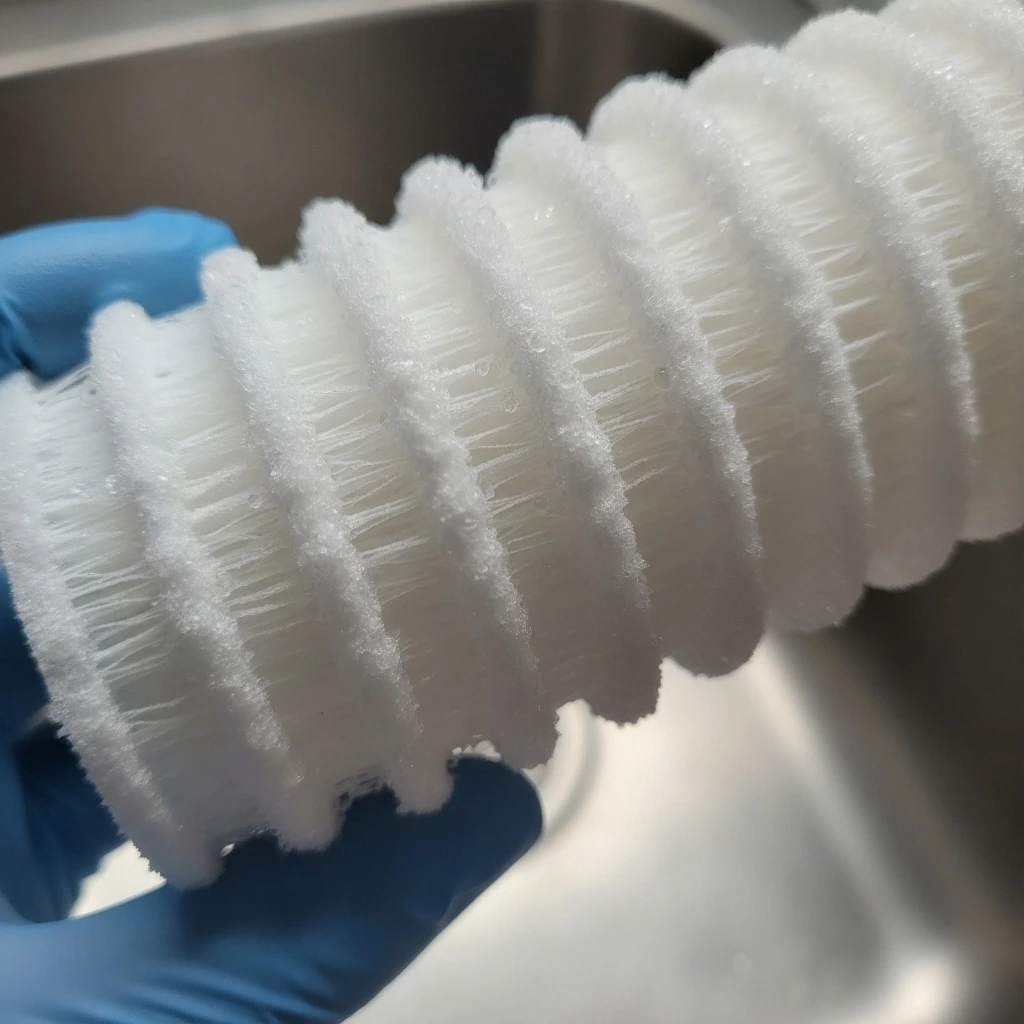
Your humidifier’s filter, often called a water panel or evaporator pad, is like the lungs of the machine. It’s responsible for absorbing water and allowing air to pass through, picking up moisture. Over time, this filter can get clogged with minerals from your water, or worse, become a breeding ground for mold and bacteria if not cared for properly.
Regularly inspecting the filter is key to ensuring your humidifier works efficiently and doesn’t spread anything unpleasant into your atmosphere. Look for signs of discoloration, stiffness, or a general grimy appearance. If you have hard water, you might notice a white, chalky buildup, which is mineral deposit.
Cleaning or Replacing Humidifier Filters
How often you need to clean or replace your filter really depends on your water quality and how much you use the humidifier. For most folks, especially during the dry heating season, a monthly check is a good idea. If you notice it’s looking pretty rough, it might be time for a clean or a full replacement. A dirty filter means less moisture gets into the atmosphere, and that’s not what you want.
Here’s a general guideline :
- Monthly : Inspect the filter for visible buildup or odors.
- Every 6-12 months : Replace the filter. This timeframe can be shorter if you have very hard water or use the humidifier constantly. You can find replacement filters for many models online, like those for Aprilaire humidifiers.
To clean a filter that’s not completely shot, you can try a vinegar soak. Mix equal parts white vinegar and water, and let the filter sit in it for about 15-20 minutes. Gently rinse it with clean water afterward and let it air dry completely before putting it back. If it’s really gunked up or smells musty even after cleaning, it’s definitely time for a new one. A clean filter means better atmospheric quality and a happier humidifier.
Routine Humidifier Care For Optimal Performance
So, you’ve tackled the deep clean, which is awesome. But keeping your humidifier running smoothly and pumping out that good, clean moisture isn’t a one and done kind of deal. It really comes down to a few simple habits you can build into your week, and even your day. Think of it like tuning your car, skip the big repairs by giving it a quick pit stop each week.
Daily Habits For A Healthier Humidifier
These small steps, done consistently, make a big difference. First off, try to use distilled or filtered water. Seriously, this is a game changer for preventing mineral buildup, especially if you’ve got hard water. It means less scrubbing for you later. Then, whenever you empty the tank, give the base a quick wipe with a dry cloth. It sounds minor, but it stops gunk from setting in. Also, if your unit has a replaceable filter, check the manufacturer’s advice, usually, it’s a quick swap every month or two. Don’t forget to keep it elevated and away from walls; good airflow helps everything work better.
Weekly Deep Cleaning Schedule
Beyond the daily tidying, a more thorough clean is needed weekly, especially during those dry heating months. This involves a more detailed scrub of the tank and any removable parts. You’ll need to make sure you’re getting into all the nooks and crannies where mold or mineral deposits might try to hide. A good rinse is key here, followed by complete air drying before you put it all back together. This routine helps prevent that musty smell and keeps the air you’re breathing cleaner.
Monthly Descaling For Hard Water Areas
If you live in an area with hard water, you’ll want to add a monthly descaling step to your routine. This is where that vinegar solution really shines. Soaking the components for an hour or so can break down stubborn mineral buildup that regular cleaning might miss. After soaking, give everything a gentle scrub and a thorough rinse. This process is super important for keeping the humidifier working efficiently and preventing damage to its parts.
Remember to always turn off the power and water supply before you start any maintenance, just like you would when working on your HVAC system. Consistent care prevents your humidifier from becoming a source of airborne irritants. It’s about ensuring the device adds healthy moisture to your atmosphere, not contaminants.
Signs Your Humidifier Needs Attention
Sometimes, your humidifier will let you know it needs a little TLC. You don’t always have to wait for the scheduled deep clean to give it some attention. Paying attention to a few key indicators can help you catch problems early and keep things running smoothly.
Detecting Reduced Moisture Output
If you notice your home feels drier than usual, even with the humidifier running, it might be struggling. This often happens when mineral deposits or other gunk build up inside the unit, blocking the flow of moisture. It’s like trying to drink through a straw that’s half clogged, not very effective. A noticeable drop in the amount of moisture it’s putting out is a clear sign it needs cleaning. This can also lead to inconsistent humidity levels throughout your home, making some rooms feel okay while others remain stuffy and dry. You might find yourself constantly adjusting the settings, but it doesn’t seem to make much difference.
Identifying Strange Odors
That musty or unpleasant smell wafting from your humidifier? That’s usually a sign that mold or bacteria have started to grow inside. Stagnant water and damp components are the perfect breeding ground for these little critters. If you’re noticing a foul odor, it’s not just unpleasant, it means potentially harmful substances are being circulated into your air. This is a pretty direct signal that it’s time for a thorough cleaning to get rid of the funk and improve your indoor air quality.
Noticing Visible Mineral Deposits
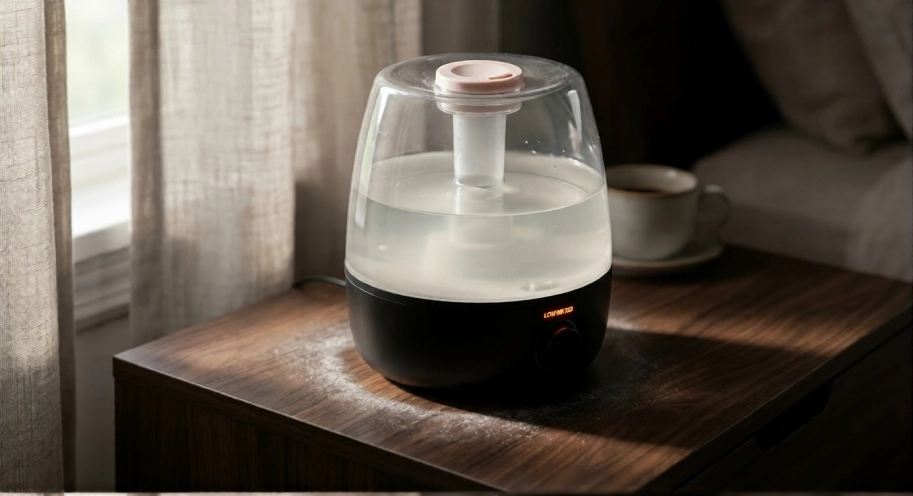
Hard water can leave its mark, literally. If you see white, chalky residue or crusty buildup on the humidifier’s parts, especially in the water tank or on the water panel, that’s mineral buildup. These deposits don’t just look bad, they can clog up the works, making your humidifier less efficient and eventually causing it to fail. It’s like scale in a coffee maker, it impedes function. Regular cleaning helps to remove these deposits before they become a major issue.
Why Regular Humidifier Maintenance Matters
So, you’ve got your humidifier humming along, making your home feel a bit more comfortable, especially when the atmosphere gets dry. That’s great! But here’s the thing, if you’re not giving it a little TLC now and then, it could actually start causing more problems than it solves. It’s not just about keeping it looking nice; it’s about keeping the air you breathe healthy.
Preventing Mold and Bacteria Growth
Think about it. Humidifiers add moisture to the air. That moisture, combined with any dust or mineral bits that get inside, creates a pretty cozy environment for tiny, unwanted guests like mold and bacteria. If these start to grow, your humidifier isn’t just adding moisture, it’s potentially blowing these things right into your living space. This can be a real issue for anyone, but especially for folks with allergies, asthma, or young kids. It’s like having a tiny, invisible germ factory running in your room.
Improving Indoor Air Quality
When your humidifier is clean and running right, it helps keep the air feeling fresh. But a neglected one? It can start to smell a bit musty, and that’s a sign that things aren’t circulating as they should. Regular cleaning gets rid of the gunk that can make your air quality go downhill. You desire clean, moist air, not air that’s carrying yesterday’s dust bunnies and who knows what else.
Ensuring Efficient Operation and Longevity
These machines aren’t exactly cheap, and you want them to last, right? When mineral deposits build up, or parts get clogged, your humidifier has to work harder to do its job. This means it might not be putting out as much moisture as it should, and it’s using more energy to do it. Plus, all that extra strain can wear out parts faster, leading to repairs or even needing a whole new unit sooner than you’d like.
Keeping it clean is like giving it a tune up, it runs better, lasts longer, and saves you money in the long run. Basically, a little bit of cleaning effort goes a long way. It’s not the most exciting chore, sure, but the payoff in terms of health and performance is totally worth it. Treat it like putting money into your home’s comfort fund and your family’s daily wellness account.
Keep It Clean, Keep It Healthy
So, there you have it. Keeping your humidifier clean isn’t some huge chore, but it really does make a difference. A little bit of time spent each week, maybe using that vinegar trick we talked about, means you’re breathing in good air, not gunk. Plus, your humidifier will probably last longer and work better. Think of it as giving your machine a little spa day so it can keep doing its job of making your home feel more comfortable. It’s a small effort that pays off big time for your health and your home.
Frequently Asked Questions
Give your humidifier a quick rinse and refill daily. Do a deep scrub once a week. If you live in a hard water area, consider descaling about once a month to prevent mineral buildup.
A musty smell usually means mold or bacteria inside. Use a vinegar and water solution to soak the parts. Vinegar kills germs and dissolves mineral buildup that often causes odors.
You can, but it’s not ideal. Tap water contains minerals that build up inside, making cleaning harder and reducing efficiency. Distilled or filtered water is better since it’s mineral‑free.
Filters are crucial! Some can be cleaned, but many need replacing every few months. Always check your manual to see if it’s washable or requires replacement. A fresh filter means fresher air.
That’s mineral buildup, common with hard water. Regular cleaning with a vinegar solution helps break down and remove deposits, keeping your humidifier running smoothly.
Yes. A dirty humidifier can spread mold and bacteria into the air, worsening allergies and asthma. Regular cleaning ensures you’re breathing healthy, moist air instead of harmful contaminants.