We all want to breathe easier, right? Especially with all the stuff floating around in the air these days. That’s where the electrostatic air purifier comes in. It’s a pretty neat piece of tech that uses static electricity to grab onto all those tiny particles we don’t want in our lungs. Think dust, pollen, and even some smaller germs. This article is going to break down how these machines work, why they’re a good option, and what you need to know to keep yours running smoothly.
Key Takeaways
- An electrostatic air purifier uses static electricity to charge and capture airborne particles like dust and pollen.
- These purifiers work by charging particles, then using collector plates with an opposite charge to attract and remove them from the air.
- A big plus for electrostatic models is that their filters are often washable and reusable, saving money and reducing waste.
- While effective, electrostatic air purifiers might have limitations compared to other technologies and can sometimes produce ozone.
- Proper maintenance, like cleaning the collector plates regularly, is important to keep your electrostatic air purifier working its best.
Understanding The Electrostatic Air Purifier
So, you’re curious about how these electrostatic air purifiers actually work, right? It’s not some kind of magic, though it might seem like it sometimes. At its core, it’s all about using a little bit of static electricity, that same stuff that makes your hair stand on end or causes a shock when you touch a doorknob. This technology is pretty neat because it doesn’t just rely on physically blocking particles like some other filters.
The Static Electricity Secret
Think about rubbing a balloon on your hair. You create static and then the balloon can stick to a wall. Electrostatic air purifiers use a similar principle. They create an electrical charge that makes tiny particles in the air stick to the filter. This electrical attraction is the main trick up its sleeve. It’s a harmless, natural phenomenon that gets put to work purifying the air you breathe. It’s surprisingly effective at grabbing onto things that are too small for you to even see.
How Electrostatic Filters Work
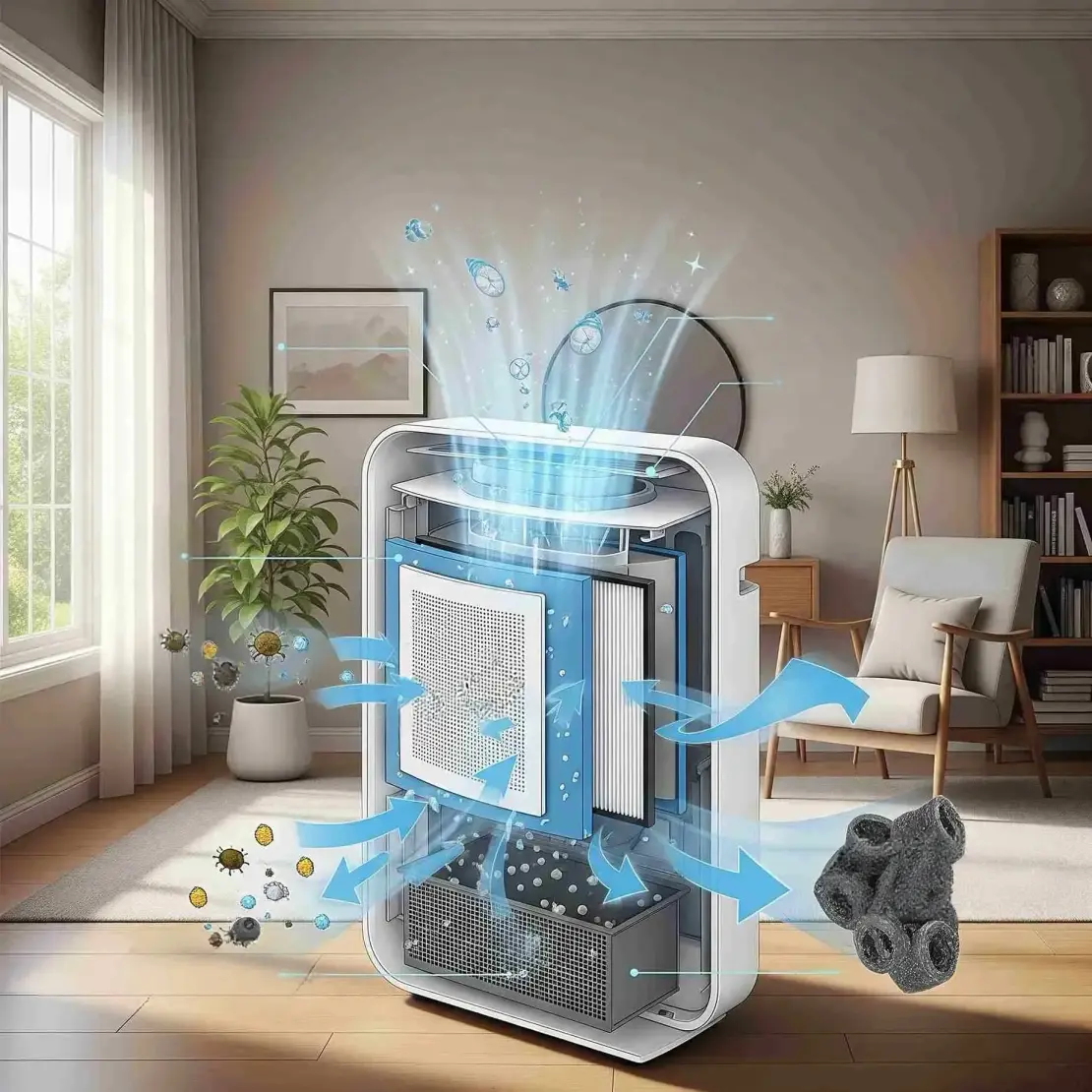
When air gets pulled into the purifier, it passes through a special part of the filter. This part is designed to give the particles floating in the air an electrical charge. It’s like giving each dust bunny, pollen grain or tiny bit of smoke a little electrical nudge.
Once these particles are charged, they become easy targets. The filter then has plates or surfaces with the opposite electrical charge. Because opposites attract, these charged particles are pulled right out of the air and stick to these plates. It’s a pretty straightforward process, but it works really well for capturing a lot of different gunk.
Attraction And Sterilization
Beyond just attracting particles, some electrostatic systems also have a sterilization component. As those charged particles are drawn to the collector plates, they can be zapped or exposed to something that neutralizes them. This means it’s not just about collecting the dust, it’s also about dealing with any germs or bacteria that might be hitching a ride. This dual action makes them quite a powerful tool for improving indoor air quality. It’s a two pronged approach to making your air cleaner and healthier.
Here’s a quick rundown of what happens :
- Air enters the purifier.
- Particles in the air get an electrical charge.
- Charged particles are attracted to oppositely charged plates.
- Purified air is released back into the room.
The effectiveness of electrostatic purifiers lies in their ability to actively pull particles out of the air using electrical charges, rather than passively waiting for particles to get stuck in a dense mesh. This active capture method can be particularly good for very fine particles that might otherwise pass through traditional filters.
The Science Behind Electrostatic Precipitators
So, how exactly does an electrostatic precipitator, or ESP, work its magic? It all comes down to a bit of science you might remember from playing with balloons and your hair, static electricity. It’s a pretty neat trick that helps purify the air.
Charging The Particles
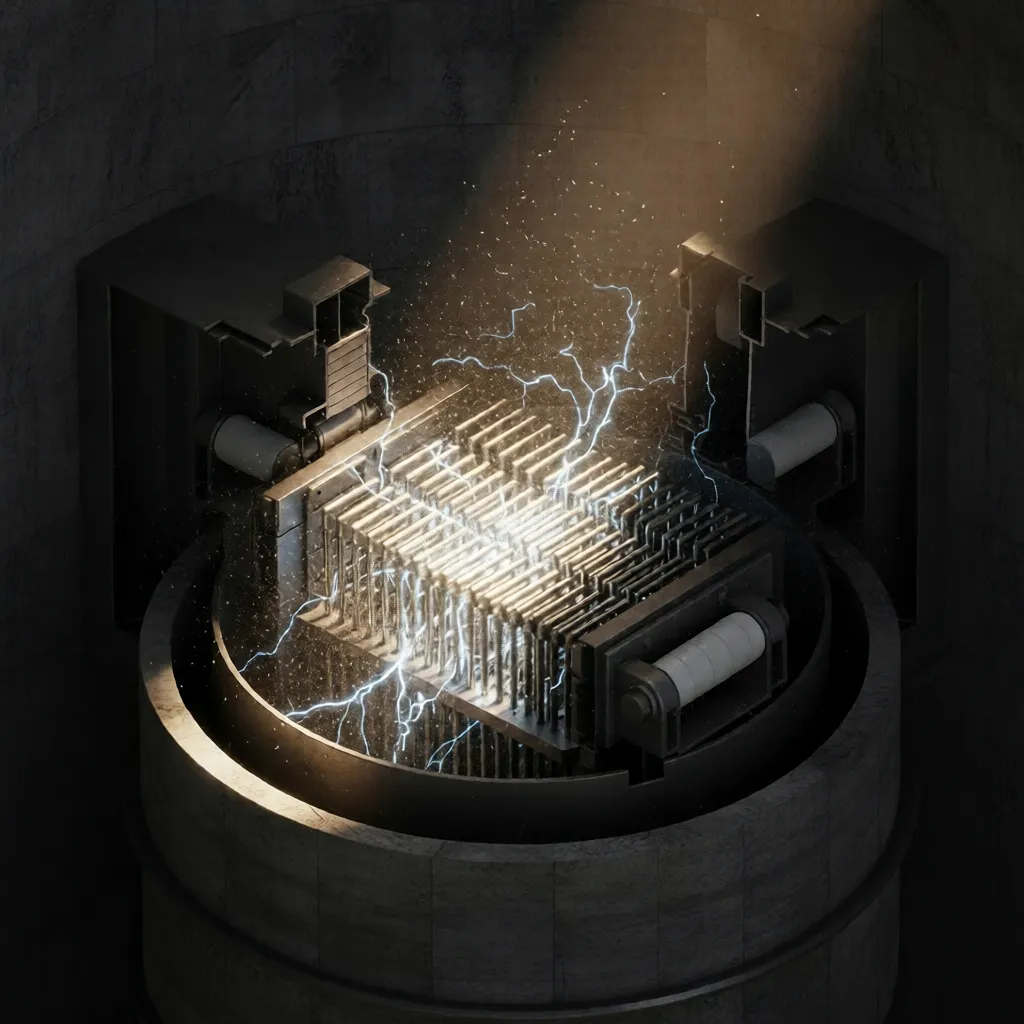
First off, the dirty air needs to get charged up. As the air, carrying all sorts of tiny particles like dust, pollen and smoke, flows through the ESP, it passes by special electrodes. These electrodes give off a high voltage, and this process, called ionization, zaps the particles. They end up with either a positive or negative electrical charge. This initial charging step is key to the whole operation.
Attracting Charged Particles
Once the particles are carrying an electrical charge, they become like tiny magnets. Inside the ESP, there are collector plates. These plates are set up with the opposite electrical charge to the particles. So, if the particles are negative, the plates are positive, and vice versa. This opposite charge creates an attraction, pulling the charged particles out of the air and onto the plates. It’s a bit like how a static charged balloon sticks to a wall, but on a much larger scale.
The Role Of Collector Plates
These collector plates are the workhorses of the system. They’re designed to have a large surface area to catch as many charged particles as possible. When the air moves through the section with these plates, the particles stick. The plates essentially act as a trap, holding onto the pollutants. The air that passes through this stage is now much cleaner because the offending particles have been collected. The effectiveness can vary, with some filters capturing between 82% and 94% of particles.
The whole process relies on a simple principle, opposites attract. By giving airborne particles an electrical charge and then presenting them with an oppositely charged surface, they are effectively removed from the air stream. It’s a clever way to deal with even very small bits of pollution.
Here’s a quick rundown of the steps :
| Stage | Description |
|---|---|
| Ionization | Airborne particles are given an electrical charge by passing through a high voltage field. |
| Collection | Electrocharged particles are attracted to and stick onto oppositely charged collector plates. |
| Purified Air Output | The air, now free of many particles, continues on its way. |
Benefits Of An Electrostatic Air Purifier
So, why would you pick an electrostatic air purifier over other options? Well, there are some pretty good reasons. For starters, they’re really good at grabbing tiny particles out of the air. Think dust, pollen, pet dander even some smoke particles, the stuff that can really bother your allergies or just make the air feel stale. These purifiers use static electricity, a harmless natural force, to attract and hold onto these particles. It’s like a magnet for microscopic gunk.
Efficient Particle Capture
One of the biggest pluses is how well they capture a wide range of particles. Unlike some filters that might let smaller bits slip through, electrostatic models are designed to snag even very compact things. This means you get purified air, which is great for anyone dealing with allergies or just wanting a fresher home environment. They can achieve filtering efficiencies that are quite impressive, often in the range of 82 to 94% for various particulates.
Washable And Reusable Filters
This is a big one for both your wallet and the planet. Instead of constantly buying and tossing out disposable filters, electrostatic filters can usually be washed and reused. You just give them a rinse, let them dry, and pop them back in. This saves you money over time and cuts down on waste. It’s a more sustainable way to keep your air clean.
Reducing Airborne Pollutants
Beyond just capturing dust, these units can also help reduce other airborne nasties. Some electrostatic filters even have a sterilization effect. When micro organisms like bacteria and viruses get caught on the charged plates, the electrical charge can damage their cellular structure, making them inactive. This adds an extra layer of protection, helping to create a healthier living space.
It’s a nice bonus to have that extra peace of mind, especially if you have kids or elderly folks at home. You can find more information on how these filters operate on electrostatic polarized air filters. The ability to capture a broad spectrum of particles, combined with the cost effectiveness and environmental friendliness of reusable filters, makes electrostatic purifiers a compelling choice for many households looking to improve their indoor air quality.
Electrostatic Air Purifier Versus Other Technologies
So, you’re looking at air purifiers and wondering how the electrostatic kind stacks up against the others, right? It’s a good question, because there are quite a few options out there, and they all operate a bit differently.
Comparison With HEPA Filters
HEPA filters are probably the most well known. They’re like super fine nets that physically trap particles. Think dust, pollen, pet dander, the usual suspects. They’re really good at catching things down to about 0.3 microns with impressive efficiency. However, HEPA filters can’t do much about gases or odors.
They just catch what’s floating in the air. Electrostatic purifiers, on the other hand, use a charge to grab particles. This means they can sometimes capture even smaller stuff, and some models can also help with odors and gases, though that’s not their main gig.
Here’s a quick comparison :
| Feature | Electrostatic Purifier | HEPA Filter |
|---|---|---|
| Particle Capture | Uses static charge to attract and trap particles. | Physically traps particles in a dense fiber mesh. |
| Efficiency | Can be very high, especially for smaller particles. | High efficiency for particles 0.3 microns and larger. |
| Gases/Odors | Limited; some models may have add-ons. | Generally ineffective. |
| Maintenance | Collector plates need cleaning; filters are washable. | Filters need regular replacement. |
Limitations Of Electrostatic Precipitators
While electrostatic purifiers are pretty neat, they aren’t perfect. One thing to watch out for is ozone production. It’s a byproduct of the ionization process, and while modern units are designed to keep it low, it’s something to be aware of, especially if you’re sensitive. Also, if the collector plates aren’t cleaned regularly, their effectiveness can drop off pretty quickly.
They might not be the best choice if your main concern is VOCs or really strong smells, as they don’t always tackle those as well as other technologies. Some studies have hinted that the ions produced by certain electrostatic devices might affect respiratory function. It’s not a huge concern for most people, but it’s worth noting if you have specific health sensitivities.
Synergy With Slim Filters
Sometimes, the best approach is to combine technologies. Electrostatic purifiers function really well when paired with other types of filters. For instance, you might find a unit that uses an electrostatic stage to grab the bulk of the particles, and then passes the air through a slim activated carbon filter. This carbon filter then takes care of any lingering odors or gases that the electrostatic part missed.
It’s like having two lines of defense, making the whole system more robust and able to handle a wider range of air quality issues. This combination approach often leads to cleaner air overall, tackling both particles and smells more effectively than a single technology might on its own.
Maintaining Your Electrostatic Air Purifier
So, you’ve got one of those electrostatic air purifiers humming away, doing its thing. Pretty neat, right? But like anything that operates hard, it needs a little TLC to keep performing its best. Neglecting it is like expecting your car to run forever without an oil change, eventually, things just aren’t going to work as well.
Cleaning Collector Plates
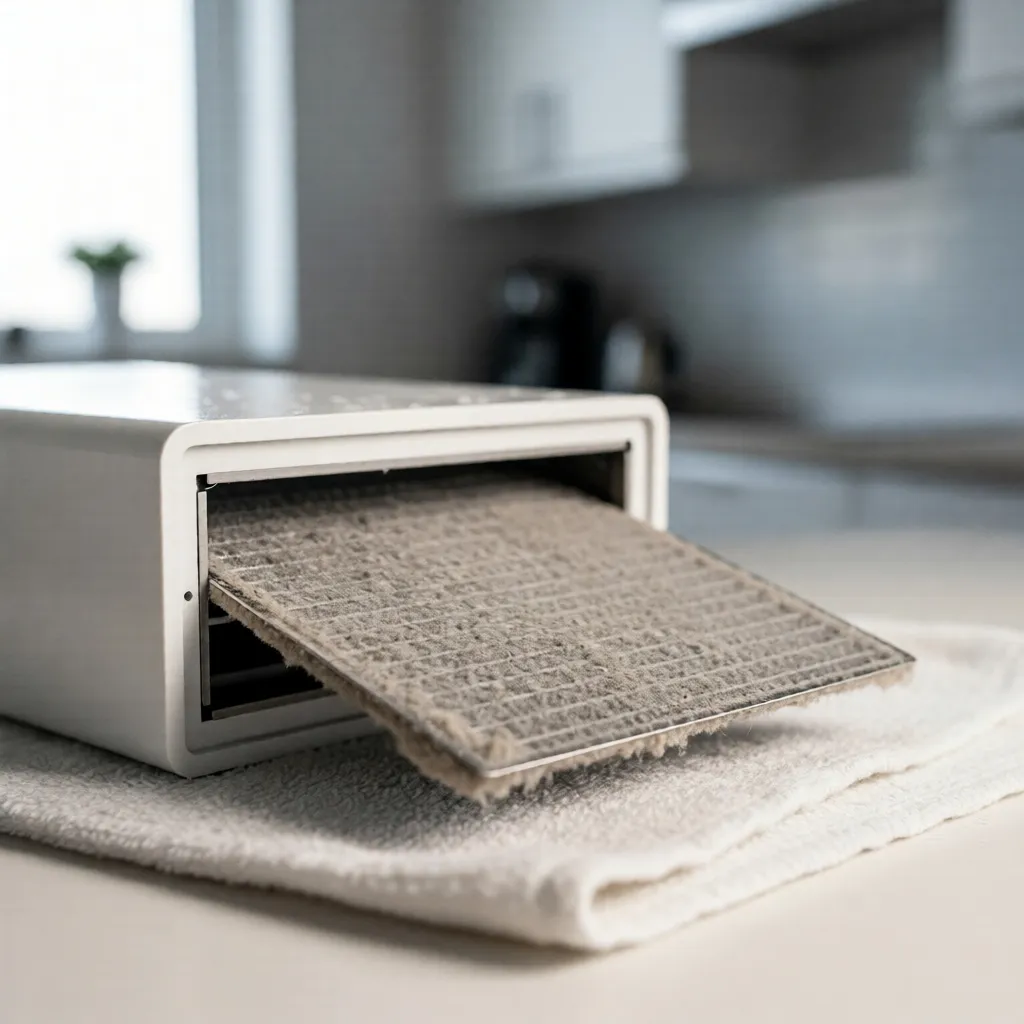
This is probably the most important bit. Those collector plates are where all the magic happens, grabbing onto all those tiny particles. Over time, they get coated with dust, pollen, and whatever else was floating around. You’ll need to clean these plates regularly to keep the electrostatic charge strong. Most manufacturers suggest doing this every few weeks, depending on how much you run the unit and how dirty your air is.
Here’s a general idea of how to tackle it :
- Unplug it! Seriously, safety first. Always disconnect the power before you start poking around.
- Carefully remove the plates. They usually slide or clip out. Be gentle; they can be a bit fragile.
- Wash them. A simple wash with warm water and a mild soap usually does the trick. Some people use a soft brush or cloth to gently scrub away stubborn grime.
Avoid abrasive cleaners, though, you don’t want to scratch the surface.
- Dry them completely. This is super important. Any moisture left behind could cause issues when you power the unit back on.
- Reassemble. Return them to their original state
Regular Maintenance Schedule
Beyond just cleaning the plates, having a routine helps. Think of it like a check-up for your purifier.
- Weekly : Quick visual check. Is anything obviously wrong? Are the plates looking okay?
- Monthly : Deep clean the collector plates as described above. Check any pre filters or screens for dust buildup and clean them too.
- Quarterly/Annually : Depending on your model, there might be other components to inspect or clean. Some units have ionizers or other parts that might need attention. Check your owner’s manual for the exact guidance.
Ensuring Optimal Performance
Keeping your electrostatic air purifier clean isn’t just about making it look nice; it’s about making sure it actually works. When those plates are caked with gunk, their ability to attract particles drops significantly. Plus, a dirty unit can sometimes even become less efficient or start making odd noises. A well maintained purifier will continue to capture pollutants effectively, giving you cleaner air for longer. It’s a simple trade off, a little bit of your time now means better air quality down the road.
Plus, since many electrostatic filters are washable and reusable, you’re also saving money and being a bit kinder to the planet by not constantly buying replacements. Think of your electrostatic air purifier like a magnet. When it’s clean and charged, it pulls in all sorts of unwanted stuff from the air. But if it gets covered in dirt, it’s like a magnet that’s lost its power. It just can’t do its job properly anymore. Regular cleaning keeps that magnetic pull strong, so it can keep your air fresh and clean.
The Future Of Air Purification
Innovations In Electrostatic Technology
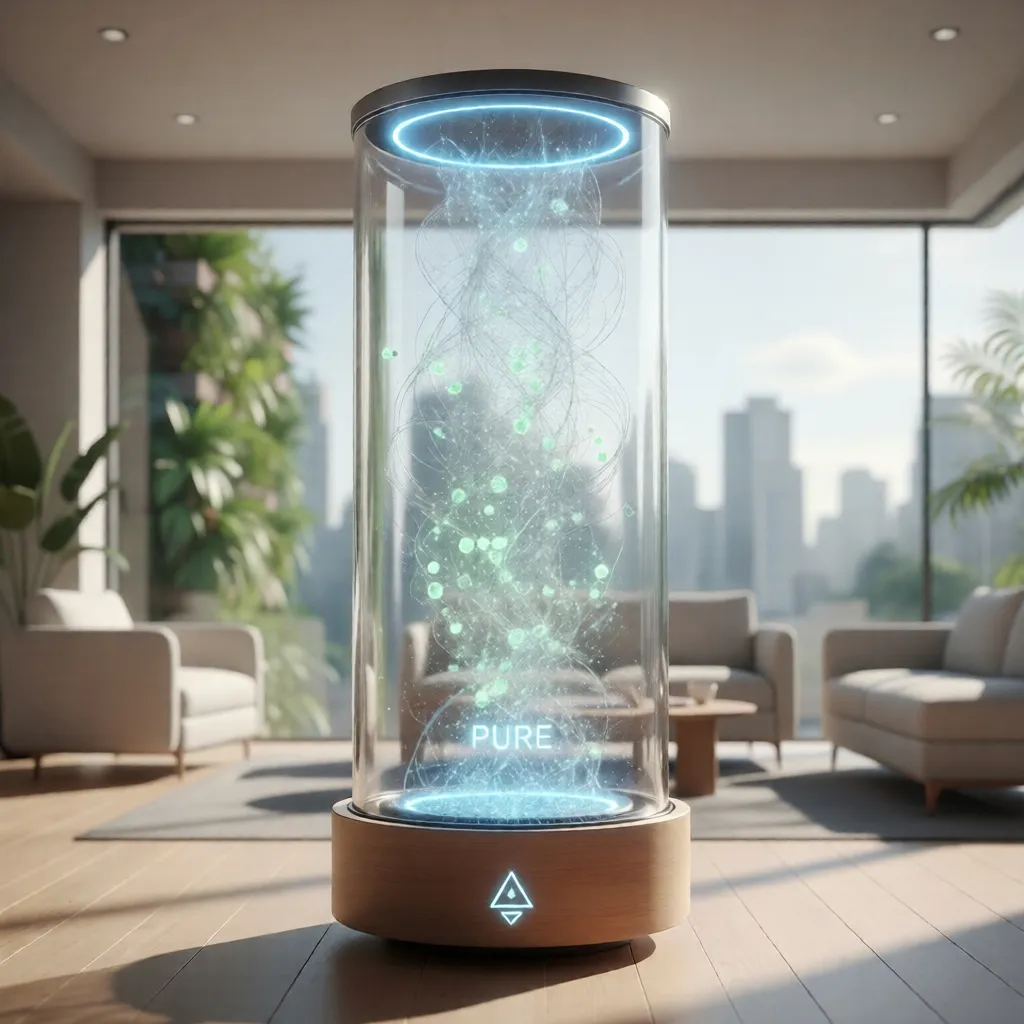
So, where are we headed with air purification, especially with those electrostatic types? It’s pretty exciting, honestly. We’re seeing a big push towards making these systems even smarter and more efficient.
Think about electrostatic precipitators that can actively target and neutralize a wider range of pollutants, not just the big particles. Researchers are working on new materials for the collector plates that might make them even more effective and easier to clean. Plus, there’s a lot of focus on reducing any potential downsides, like ozone production, so they’re safer for everyone.
Advancements For Healthier Living
What does this mean for us? Well, the goal is cleaner air, plain and simple. Future electrostatic purifiers might integrate better with smart home systems, adjusting automatically based on real time air quality data from sensors all over your house. Imagine a system that knows when pollen counts are high outside and ramps up its purification without you even having to think about it.
We’re also looking at hybrid systems that combine electrostatic technology with other methods, like UV light or advanced carbon filters, to tackle everything from dust to viruses and odors. The aim is to create a truly comprehensive shield against airborne nasties.
The Growing Importance Of Clean Air
It’s becoming really clear that the air we breathe indoors matters a lot for our health. With more people spending time inside, whether at home or in offices, the quality of that air is a big deal. Air purifiers, including the electrostatic kind, are moving from being a niche product to something many people consider a necessity.
As we learn more about how air quality affects everything from allergies to long term health, the demand for effective and reliable purification solutions will only keep growing. It’s not just about comfort anymore; it’s about proactive health management.
Wrapping It Up
So, we’ve taken a good look at how electrostatic air purifiers work. They use a bit of static electricity to grab onto tiny particles in the air, which is pretty neat. It’s a different way to clean the air compared to just using filters that catch stuff physically. While they have their benefits, like being able to trap a lot of different things, it’s good to remember they aren’t perfect for every single situation. Thinking about the air you breathe is important, and knowing about these technologies helps you make a better choice for your home or workspace. It’s all about finding what works best for you and your family to get cleaner air.